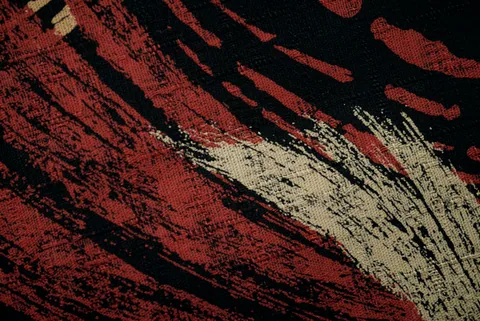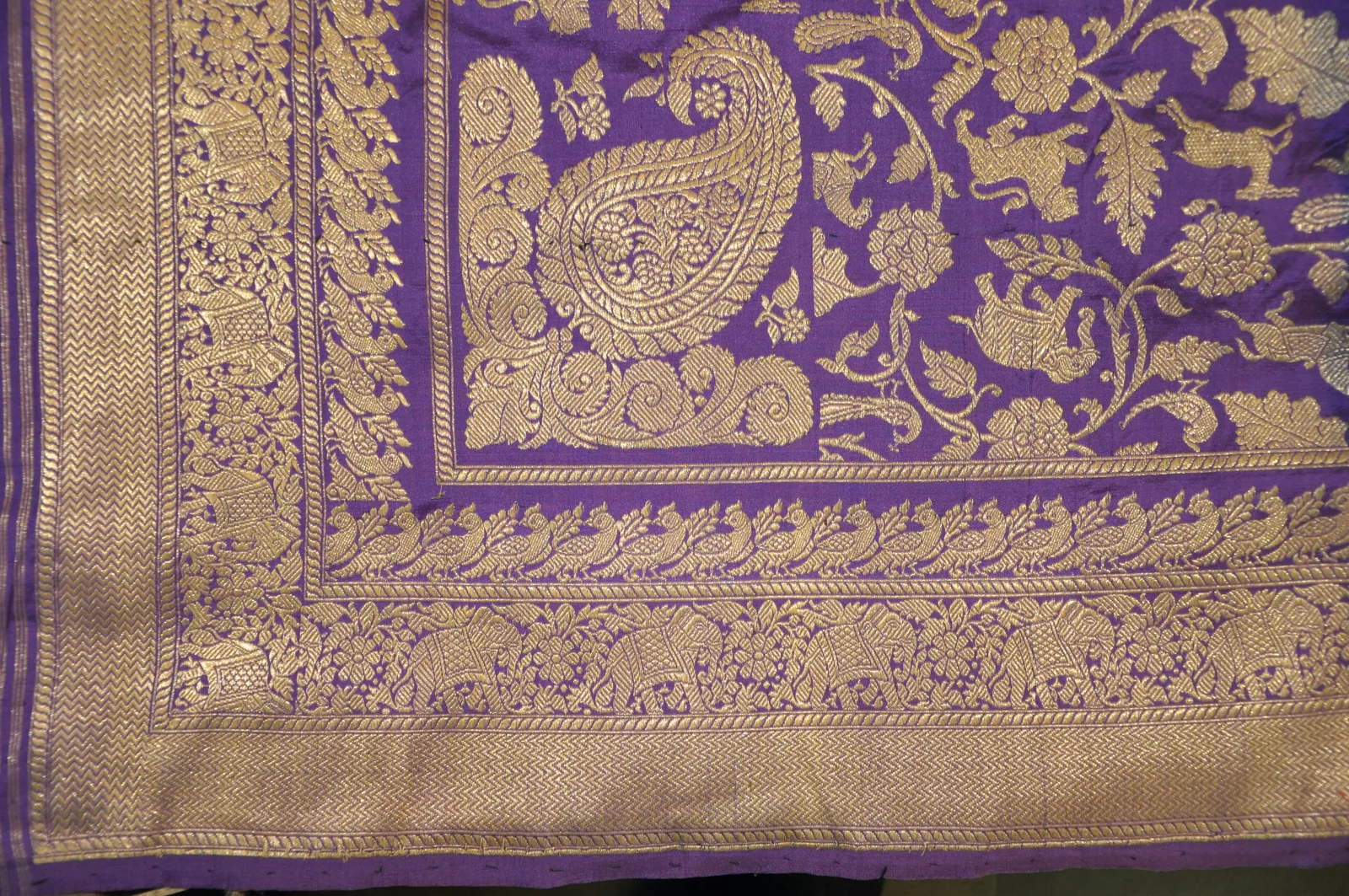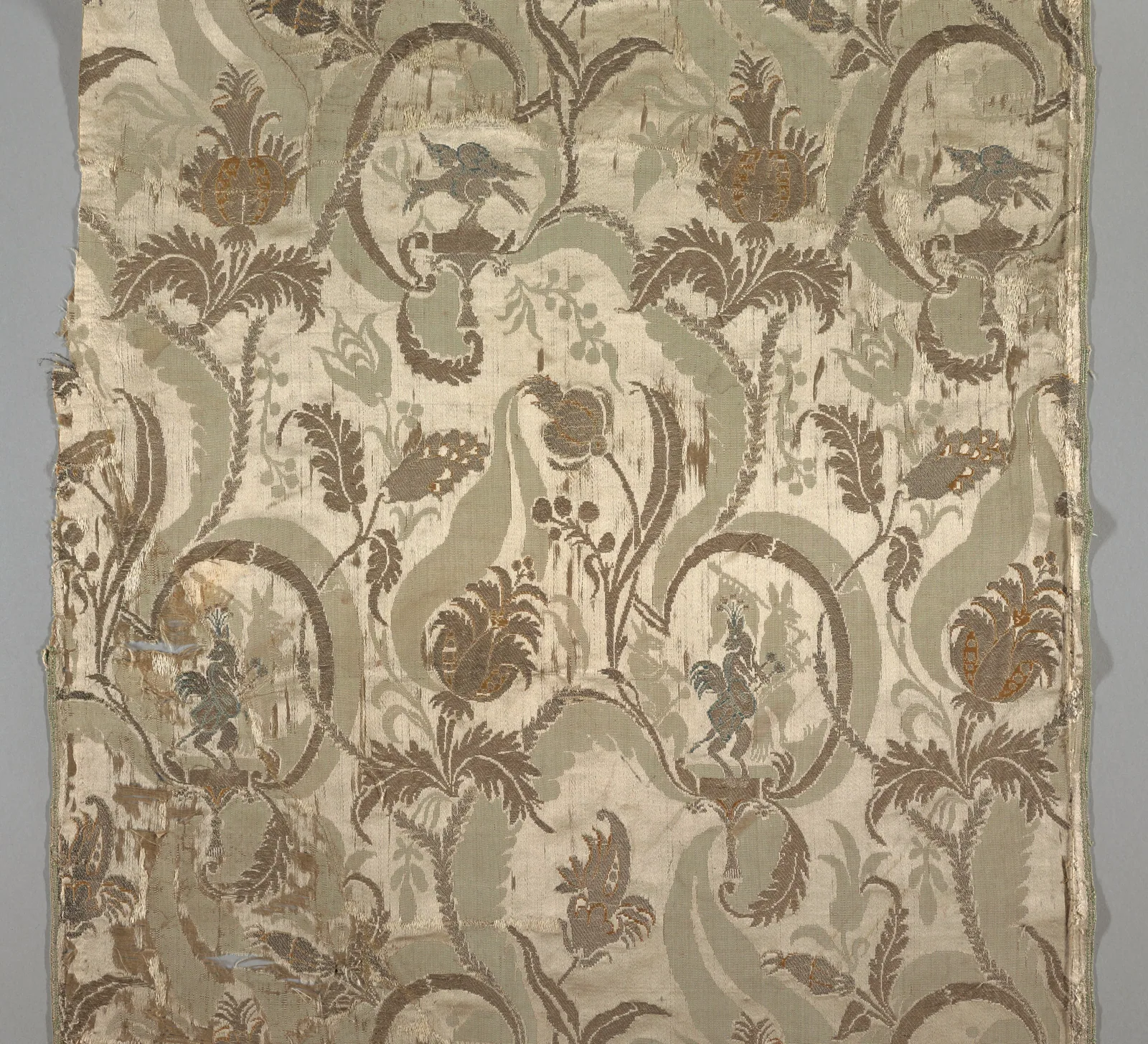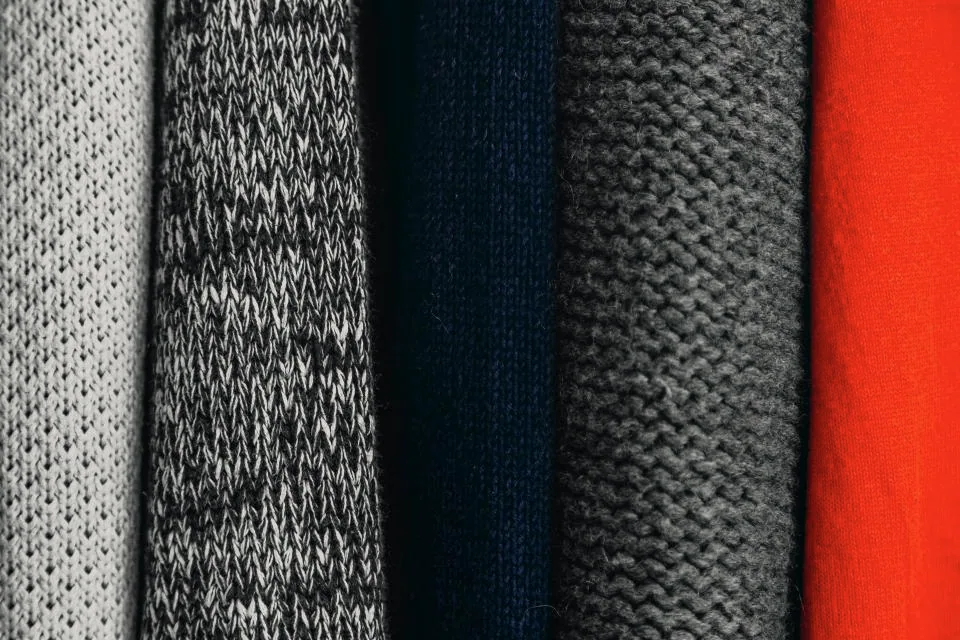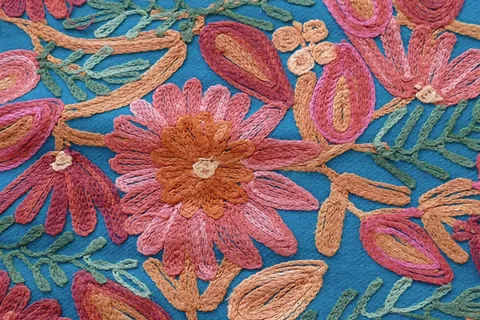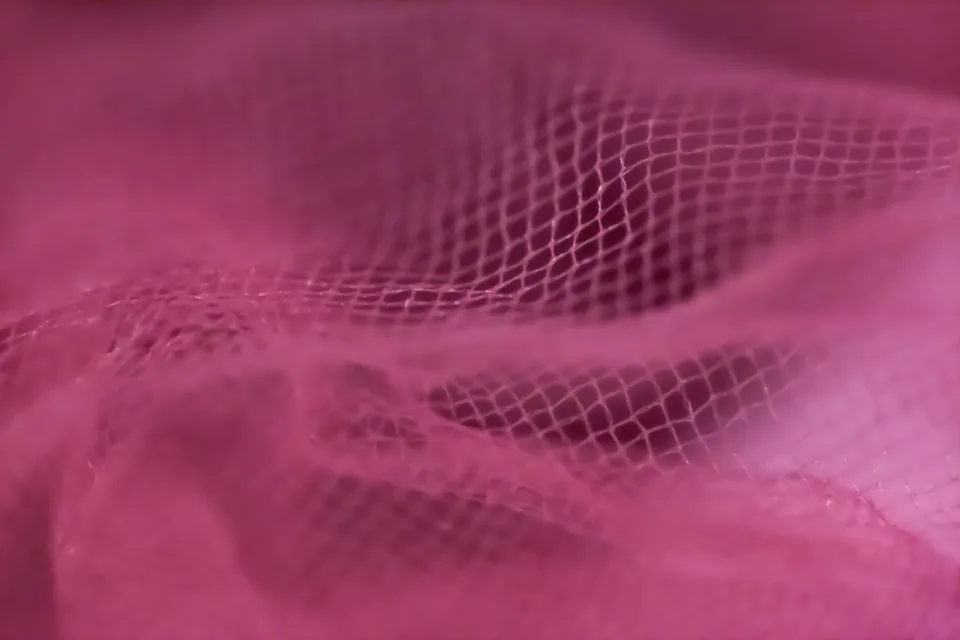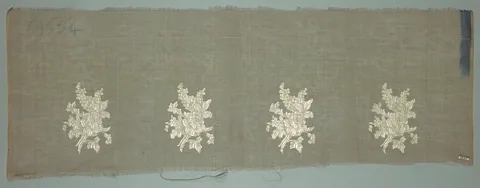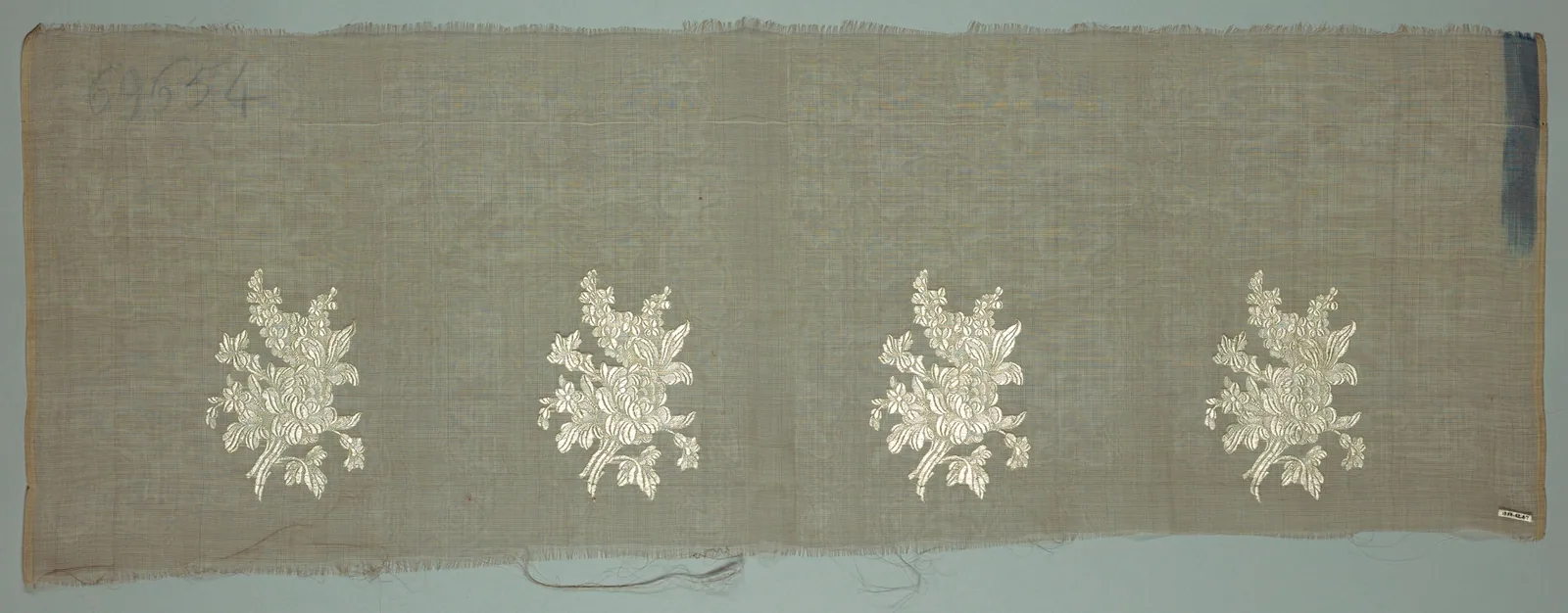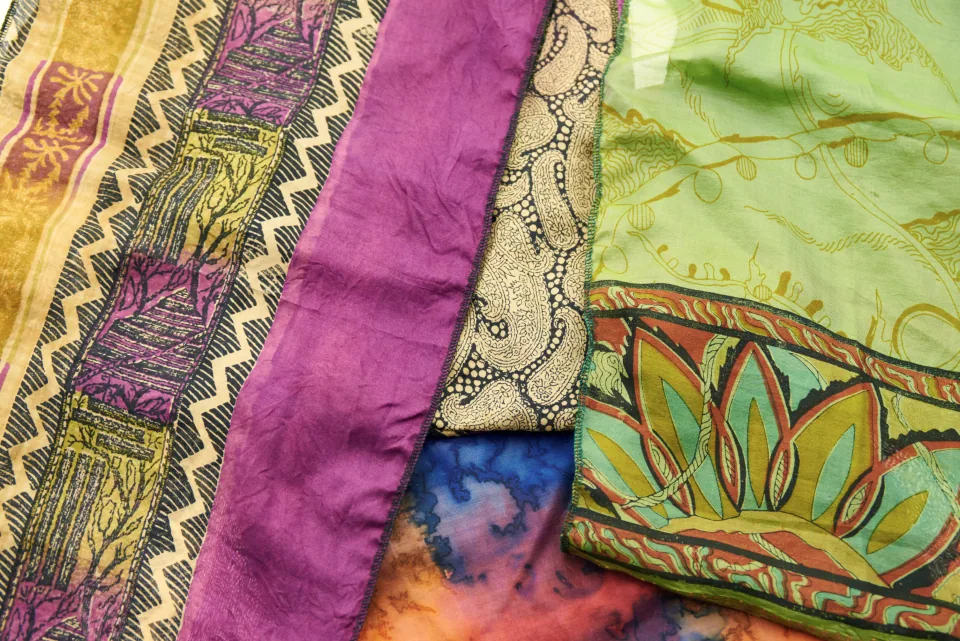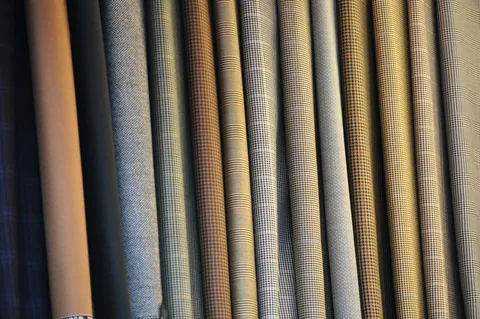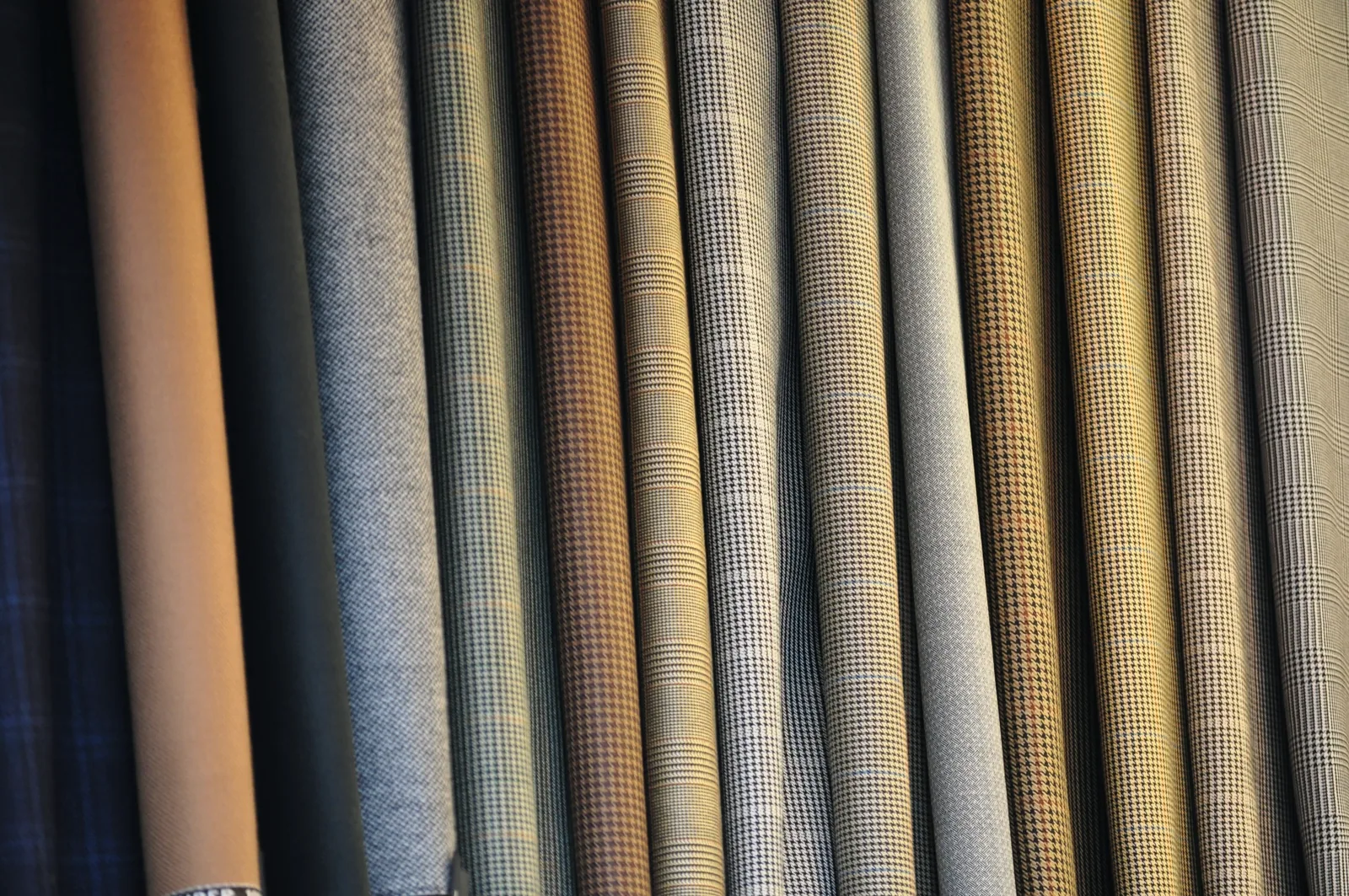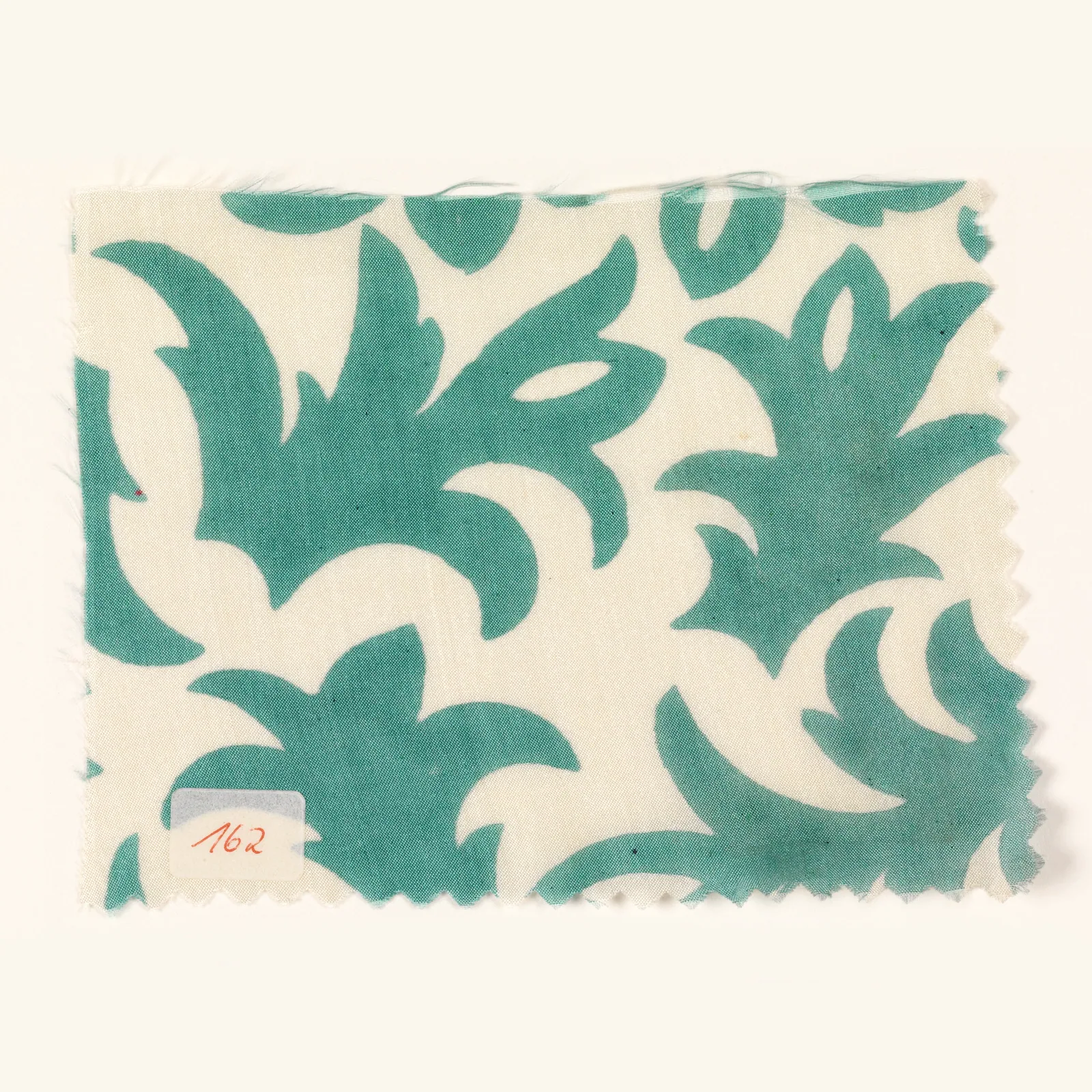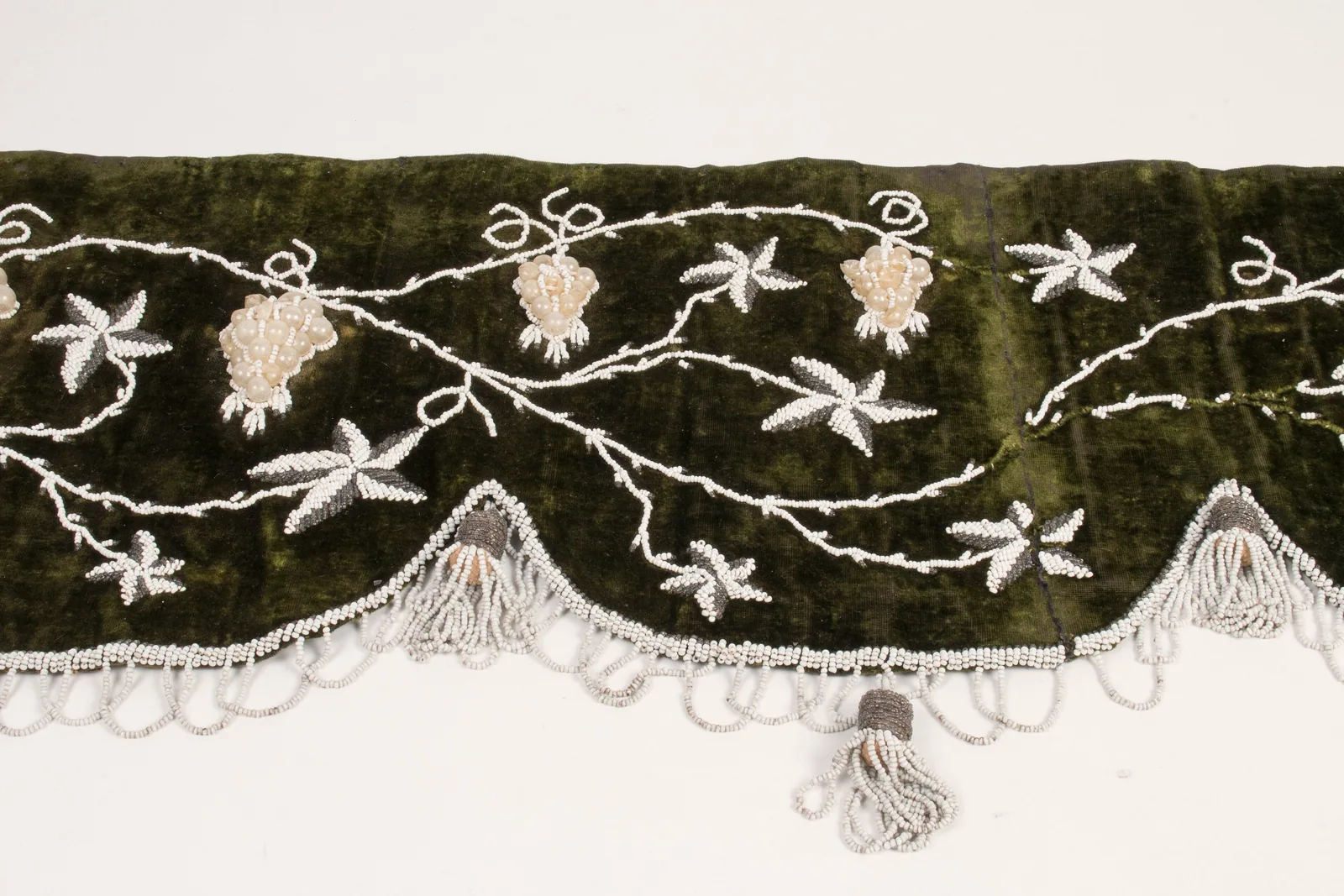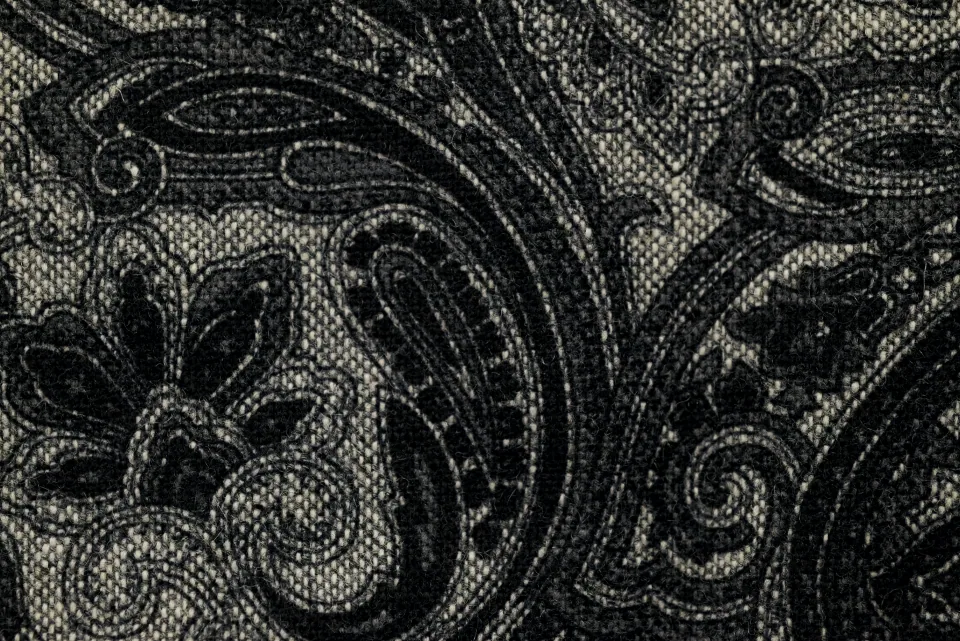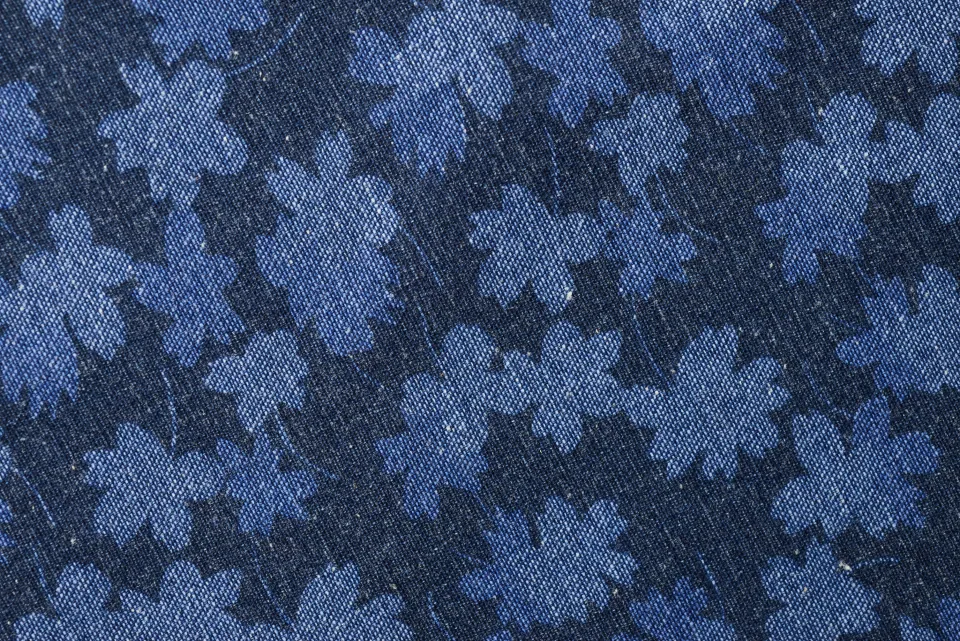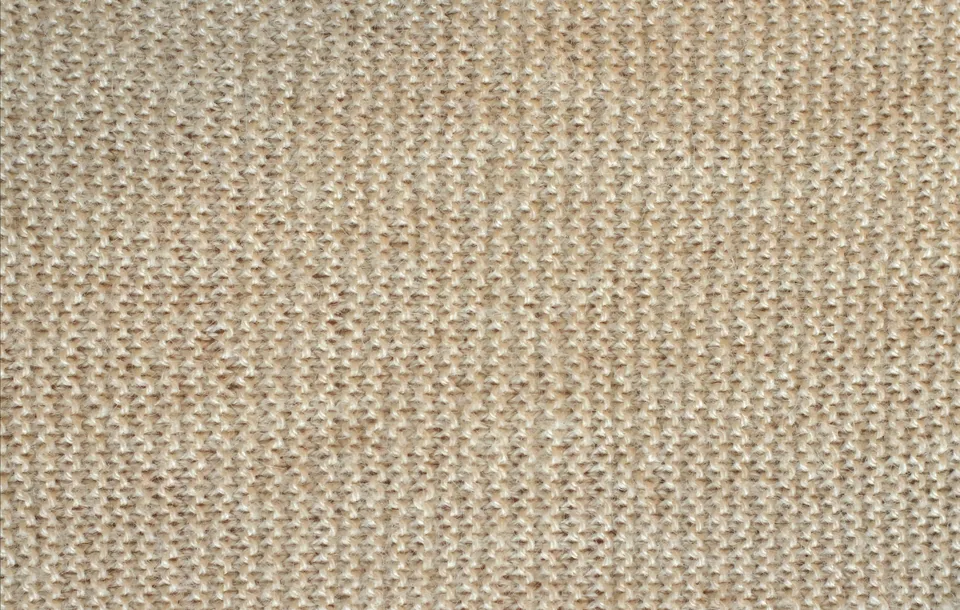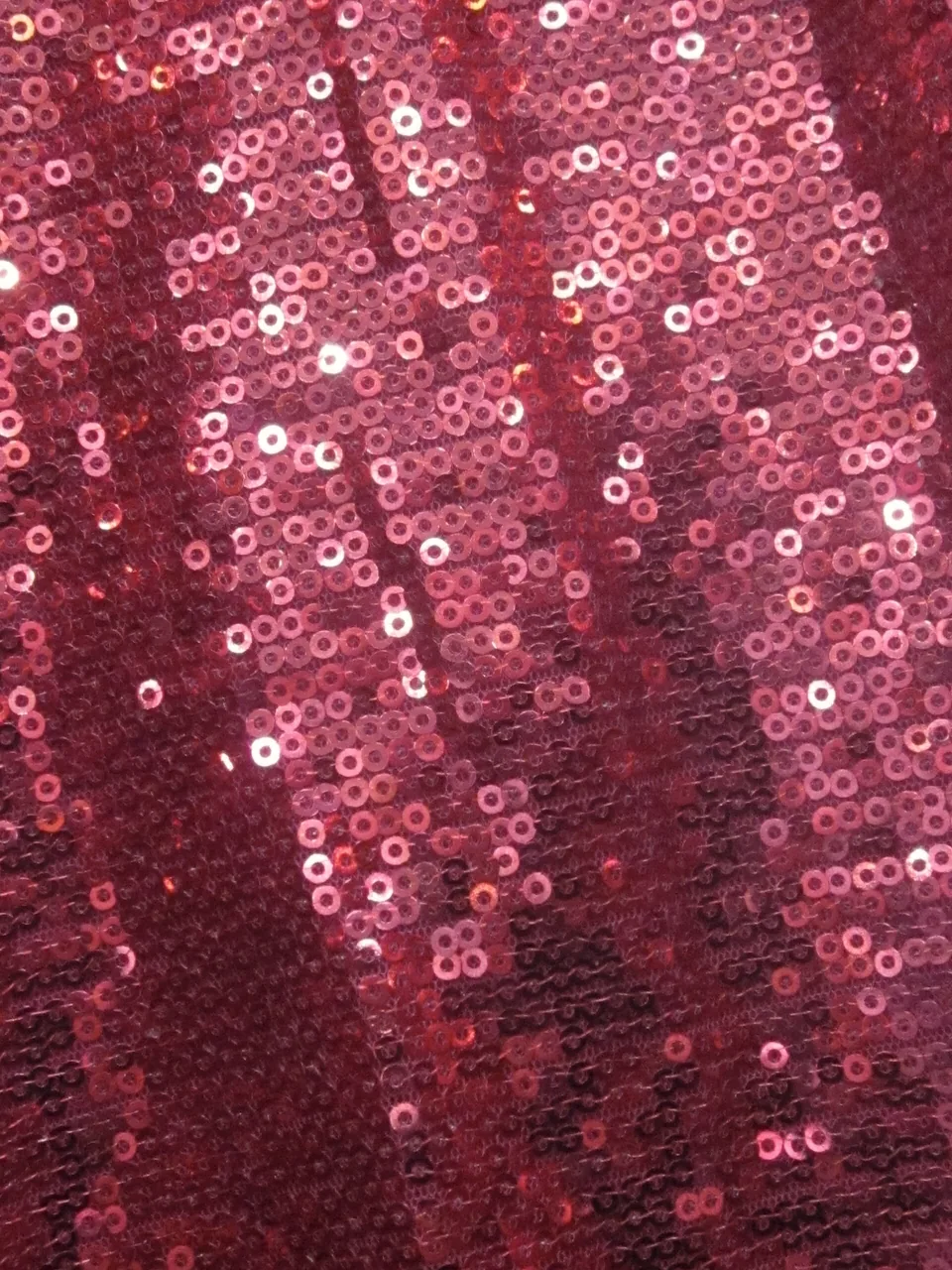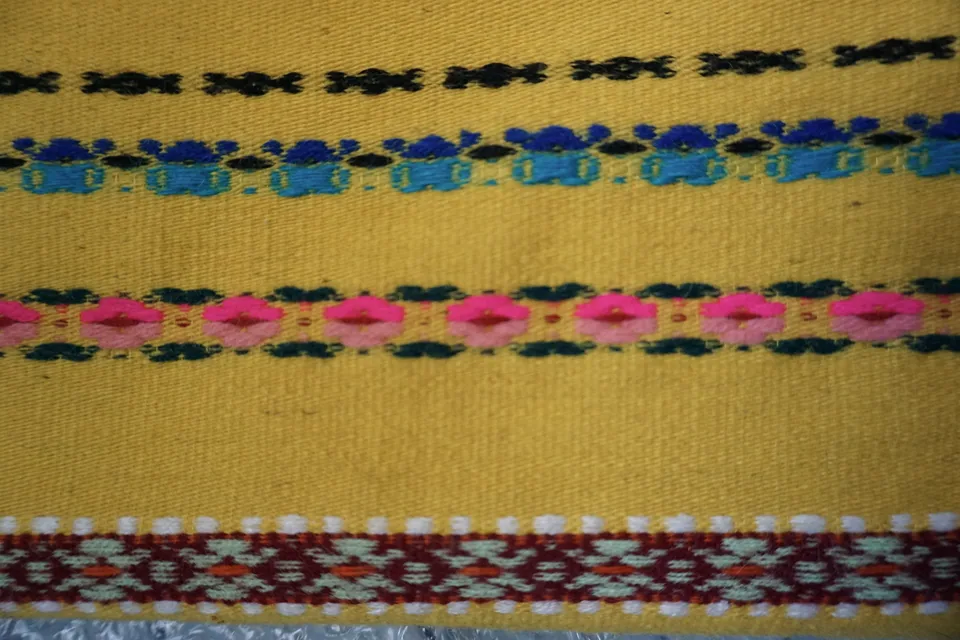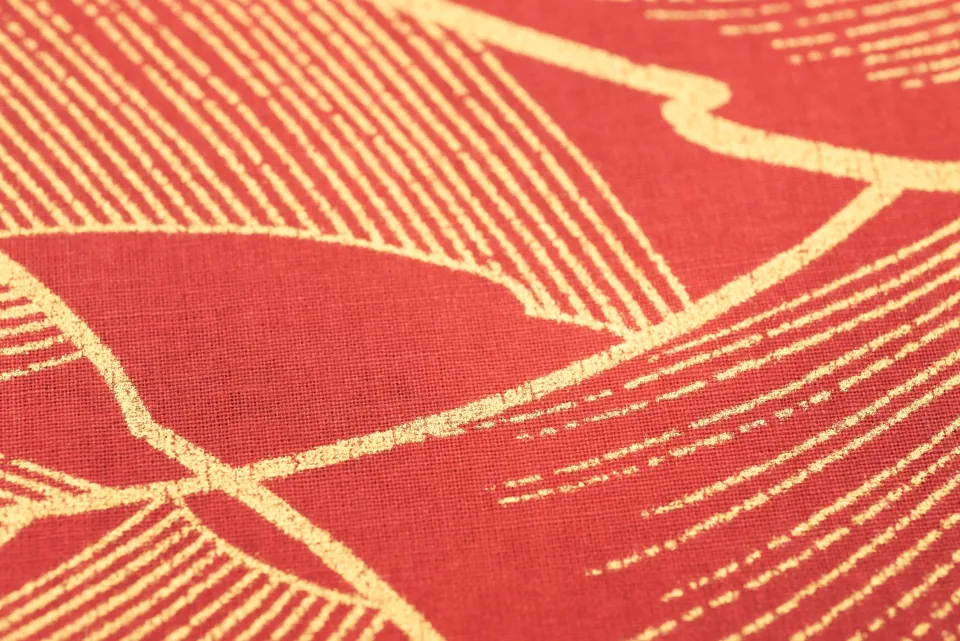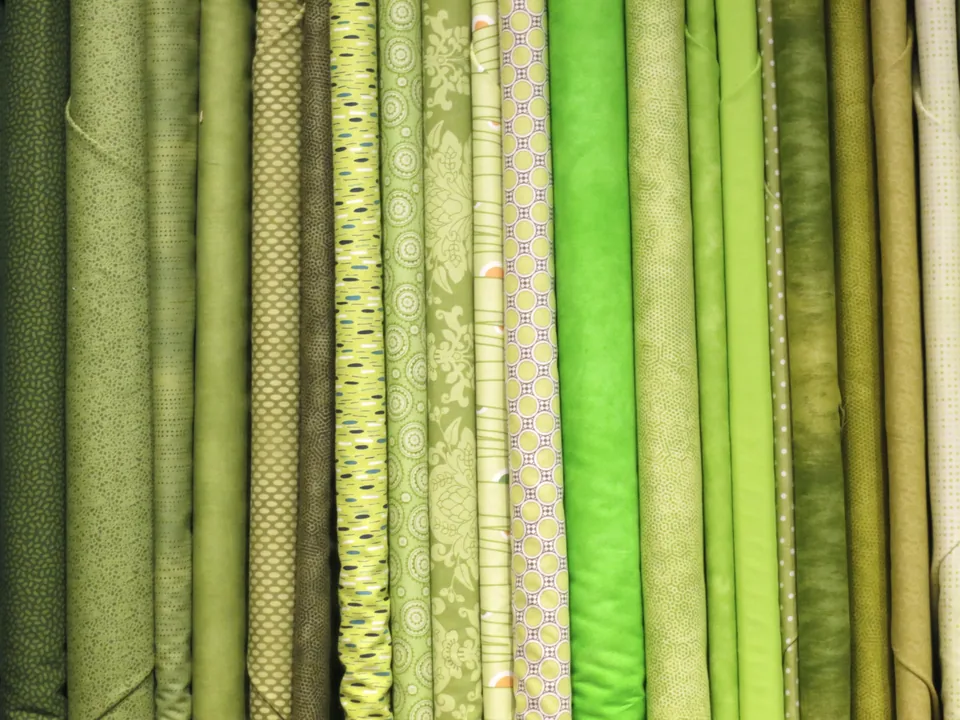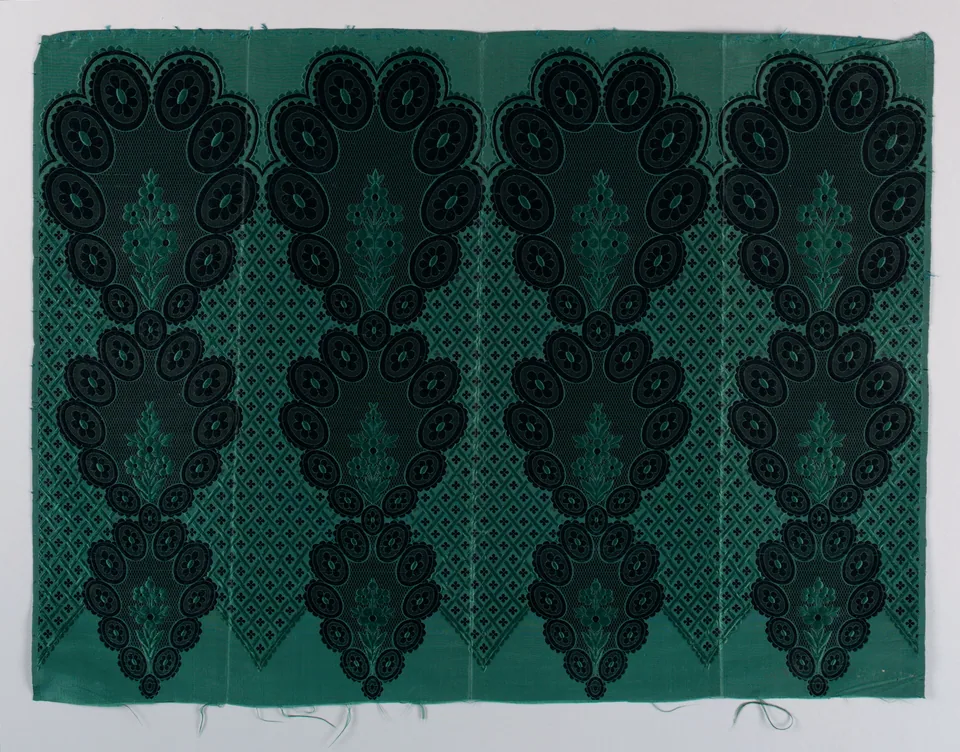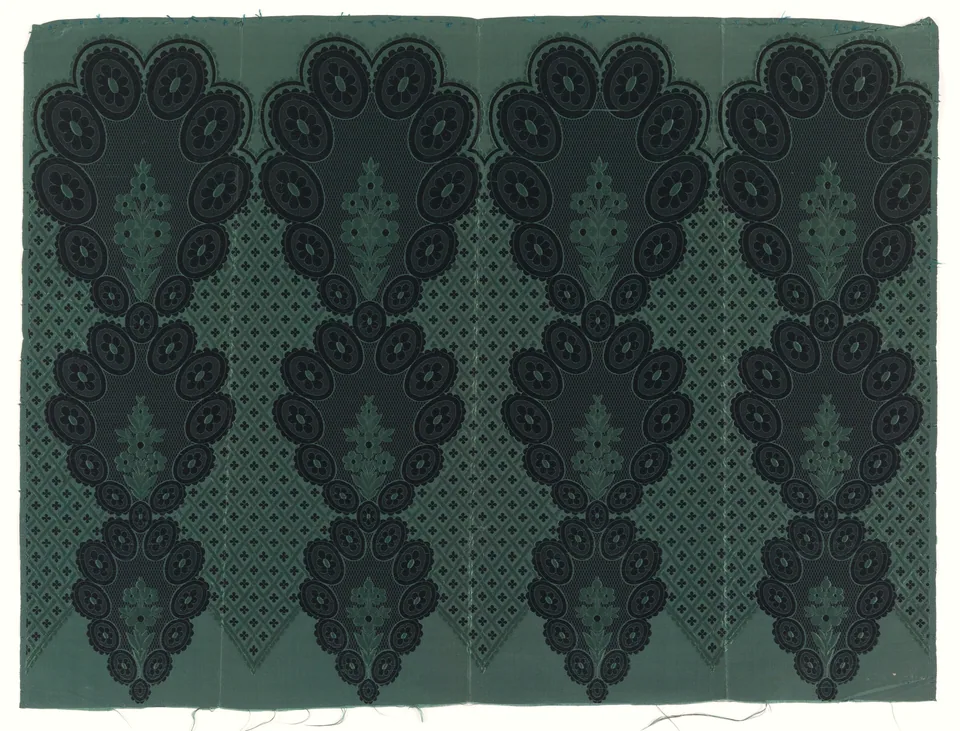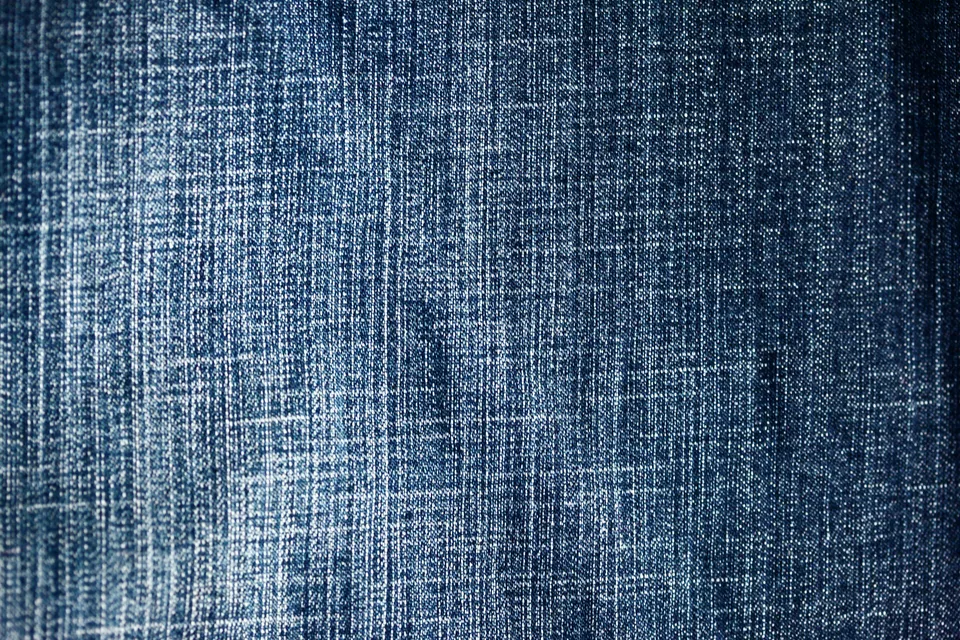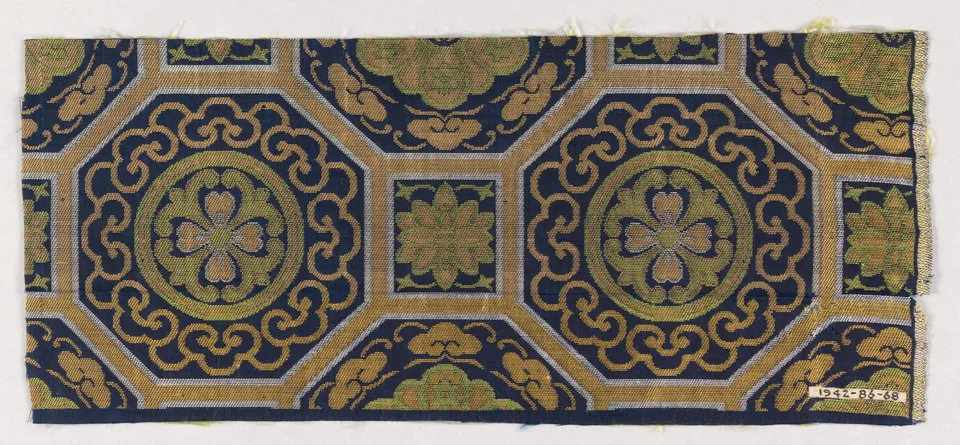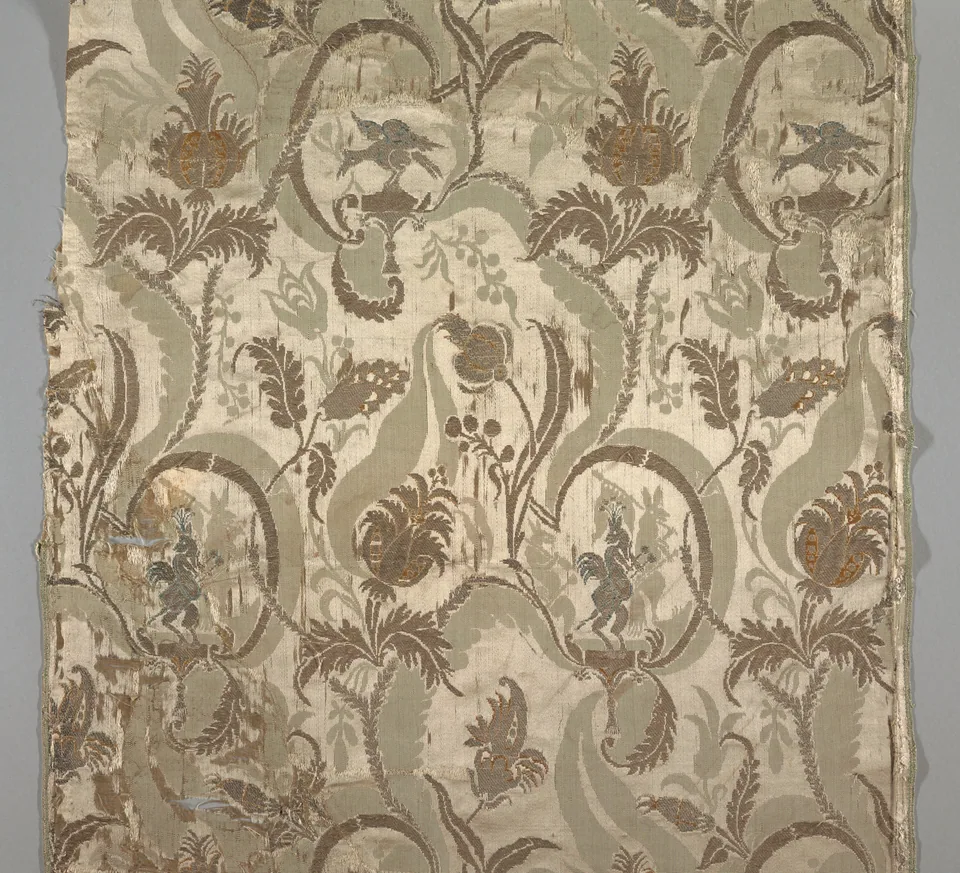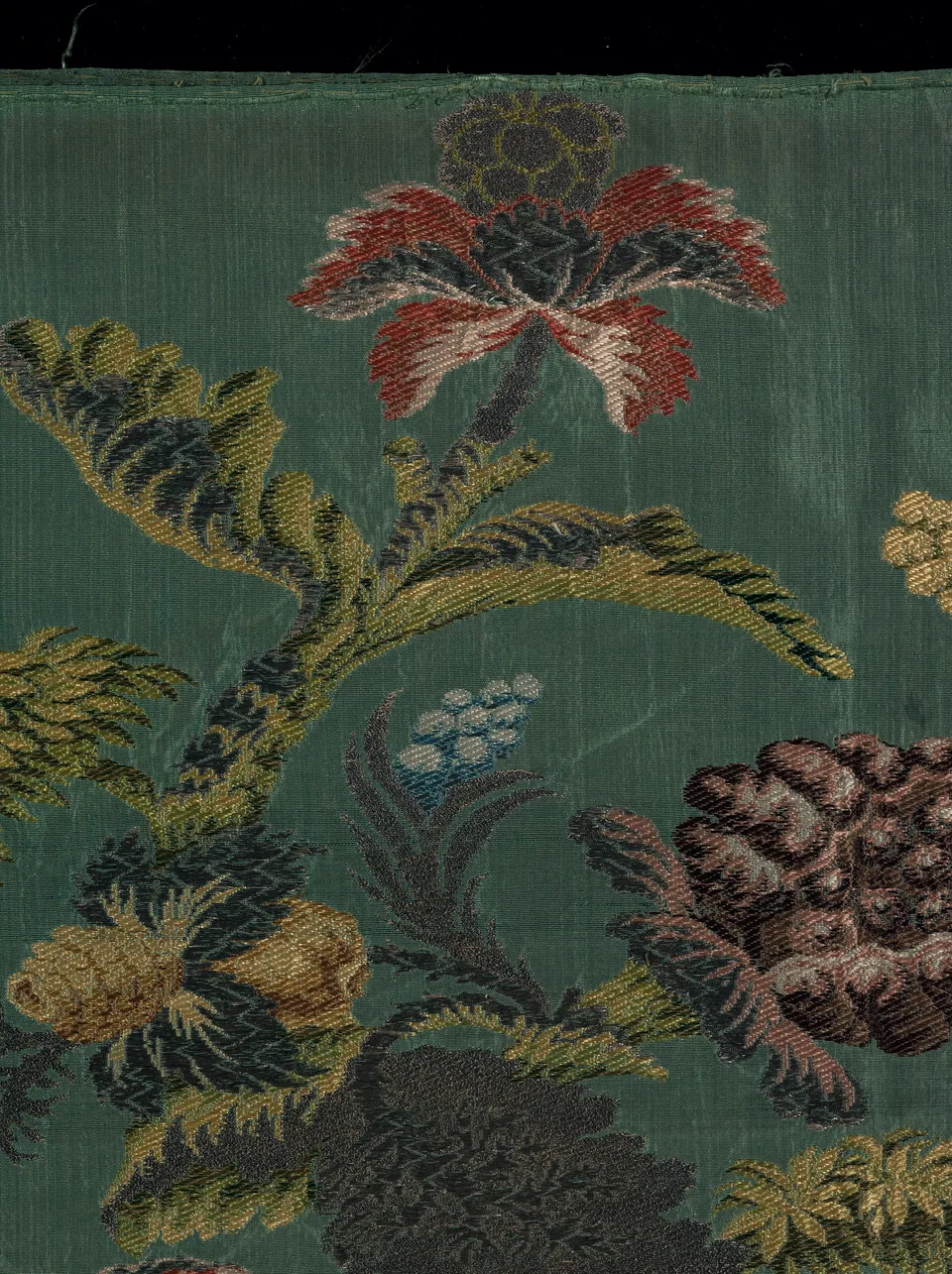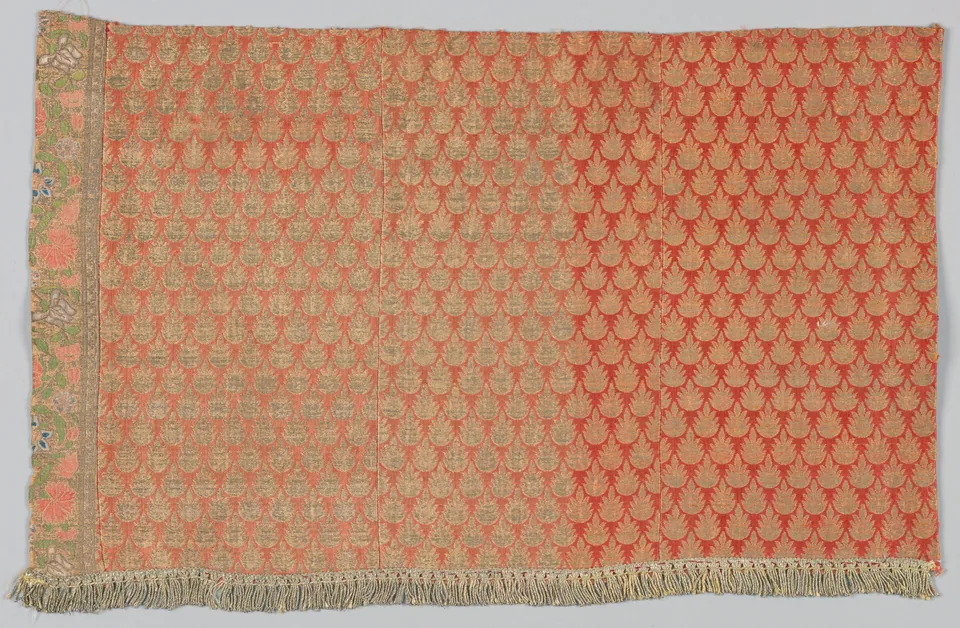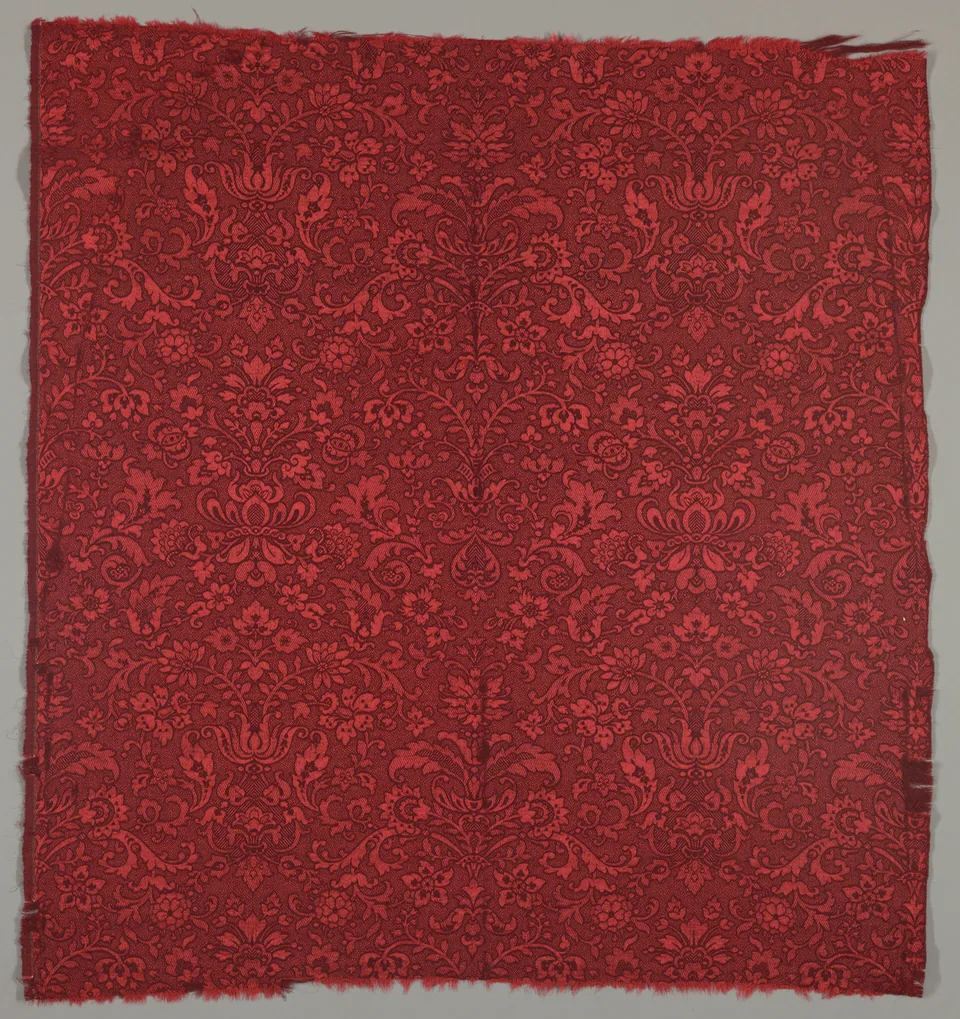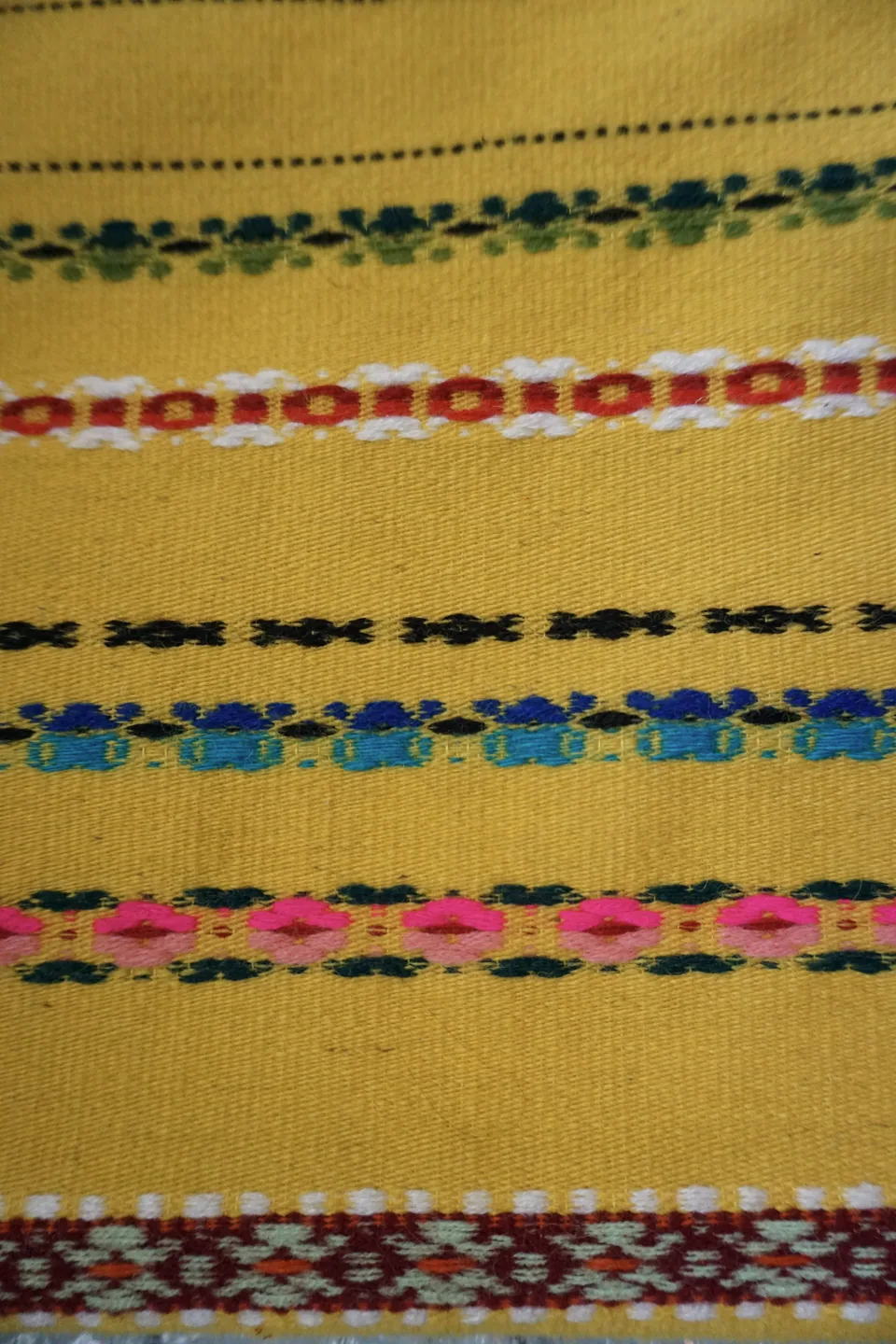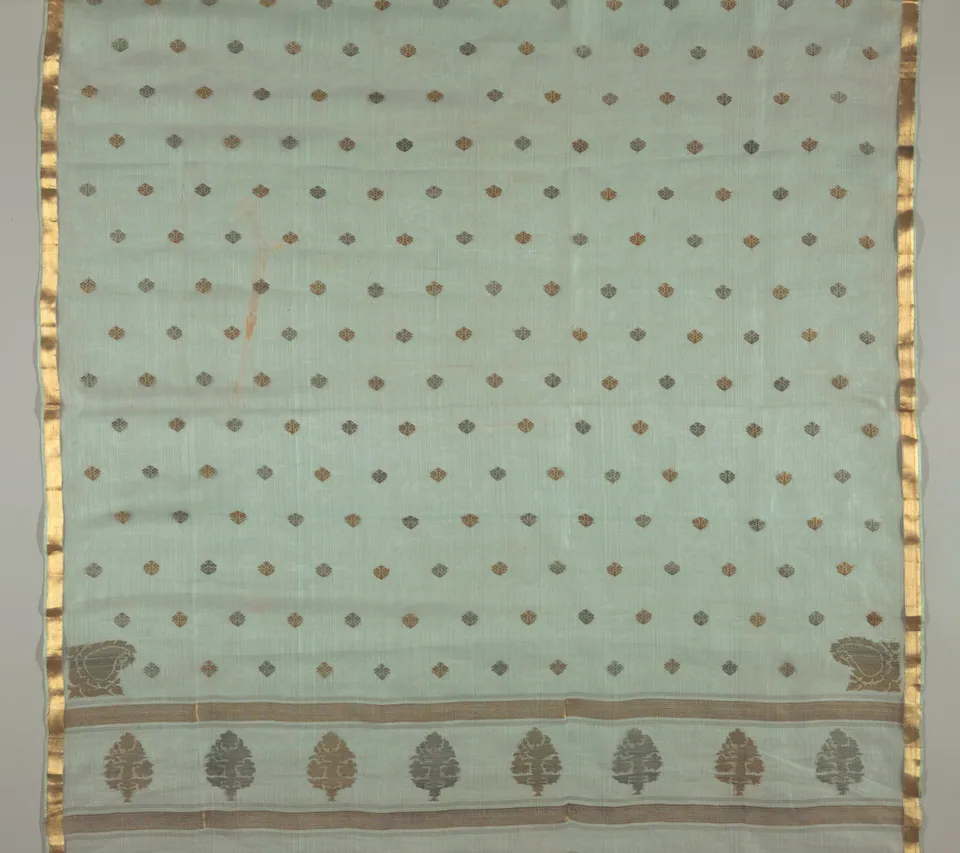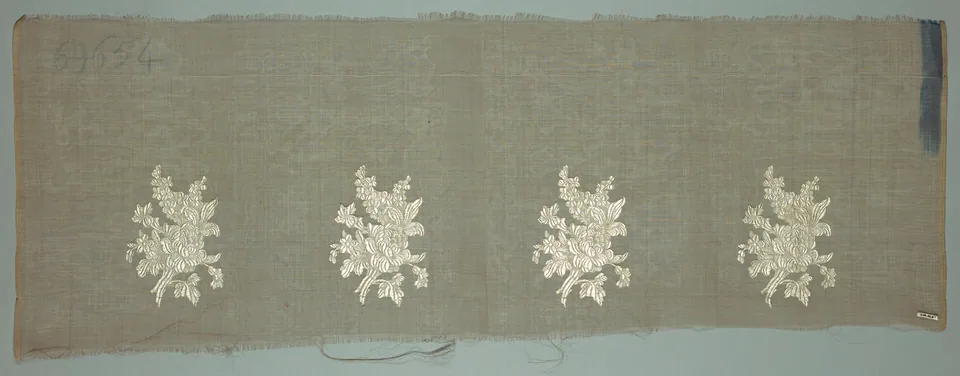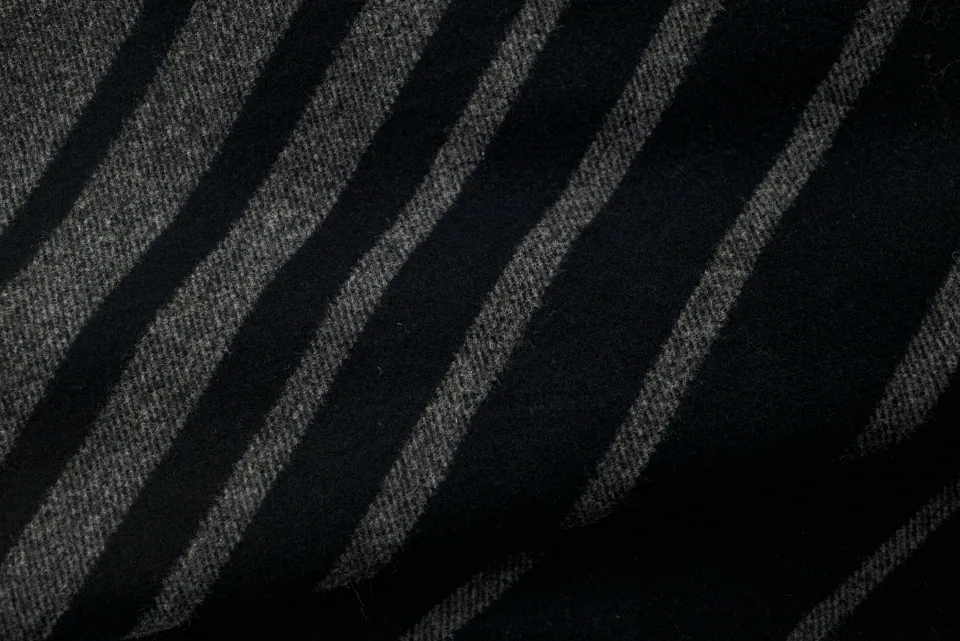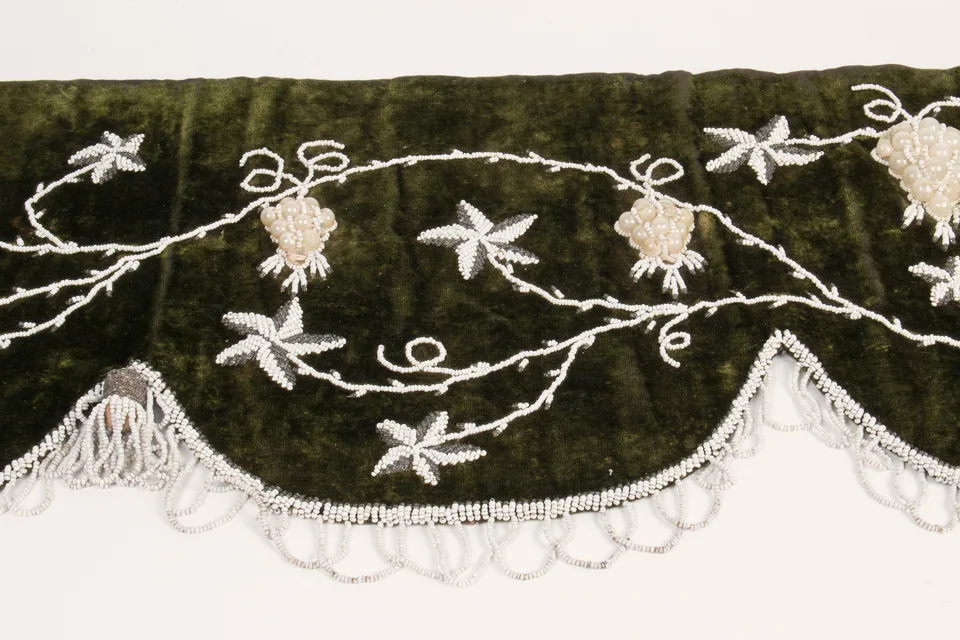


Deep burgundy textile falling in soft folds, photographed in directional light (conceptual image)

A Premium Textile House Demo

Woven With
Character.
Discover textiles chosen for their texture, craftsmanship, colour, and timeless beauty.

16 demo fabrics · 6 collections · by the metre · samples available

Scroll

The Introduction

More Than Fabric.

The beauty of a textile is never in the cloth alone. It is in the hand-feel, the weave, the weight, the fall, the colour, the finishing, the craftsmanship — and the way light moves across the surface when someone wears it.

Zaharat Kashmira is a fictional presentation of a boutique textile house: a place where the fabric is the product, the specification is the conversation, and a sample comes before a decision.

  • Hand-feel How it meets the skin
  • Weave How it is built
  • Weight How it hangs
  • Fall How it moves
  • Colour How light reads it
  • Finish What happens last
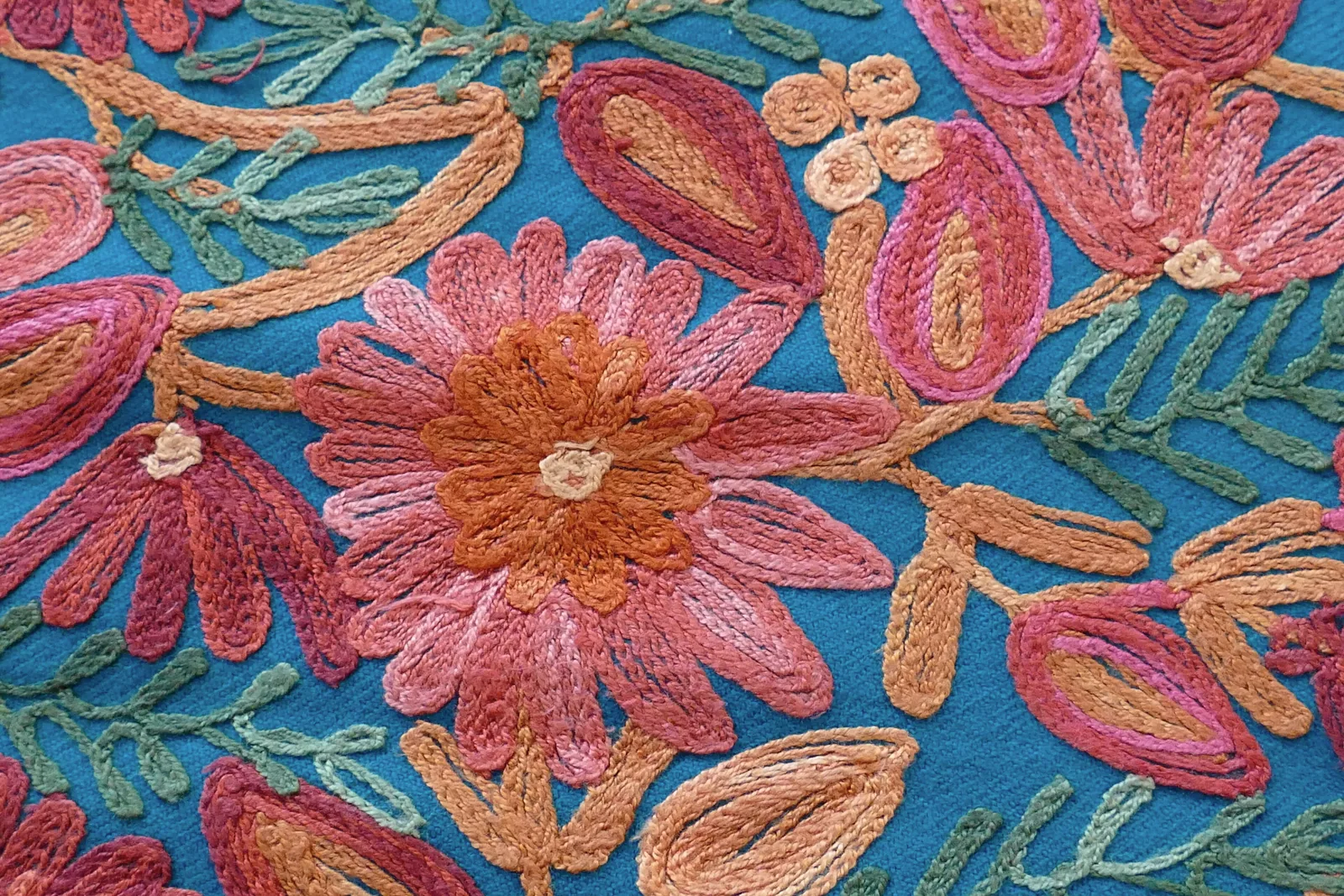
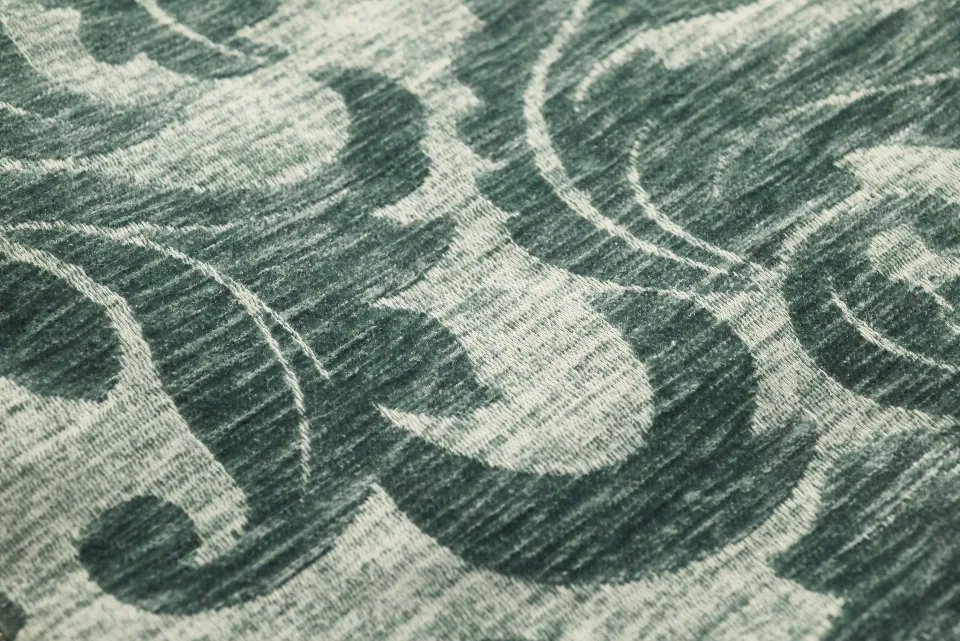
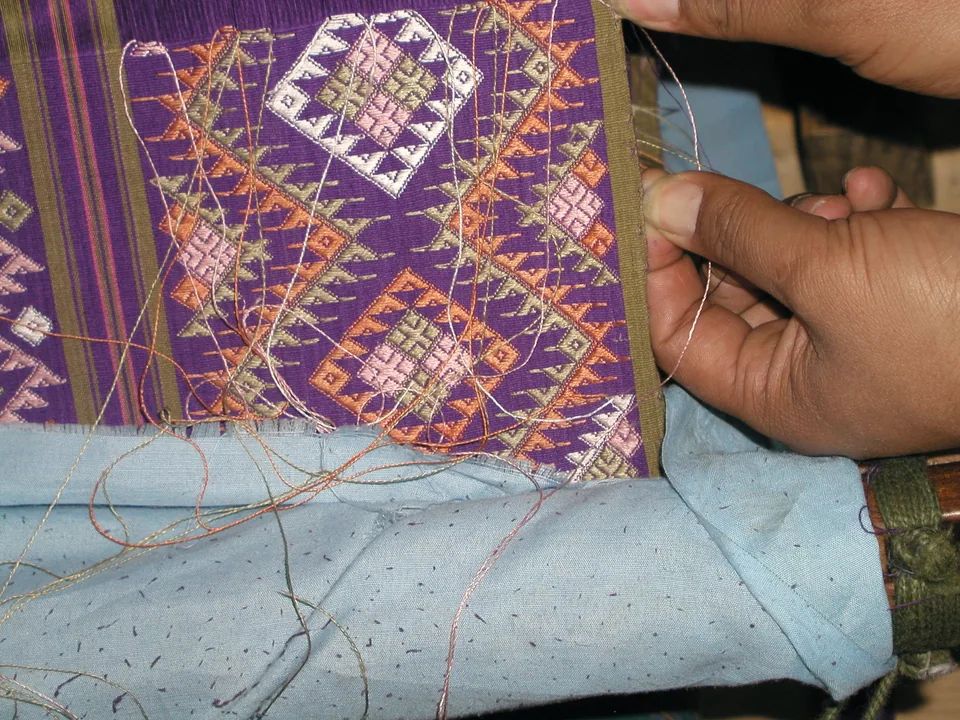
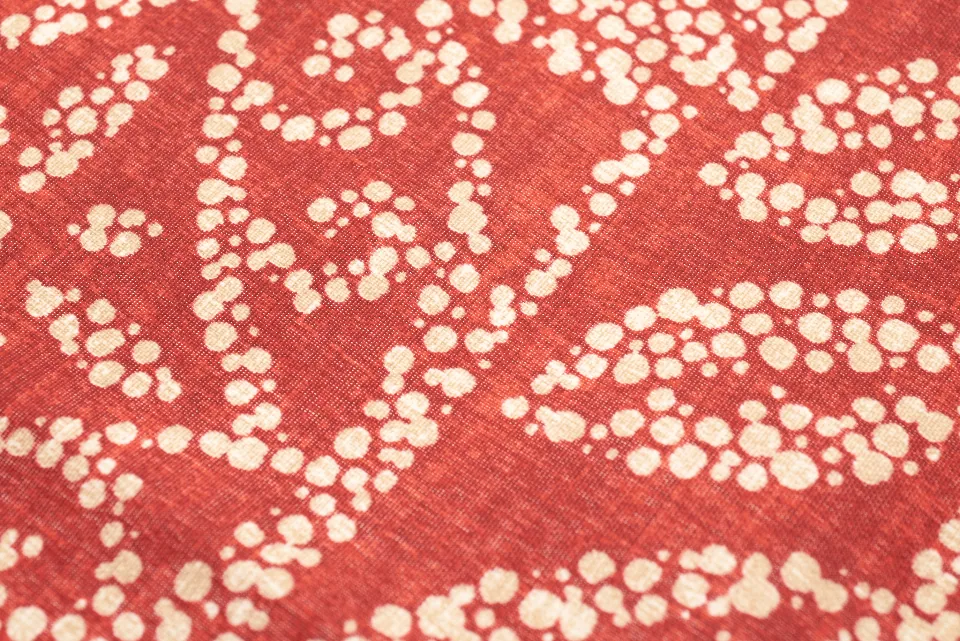
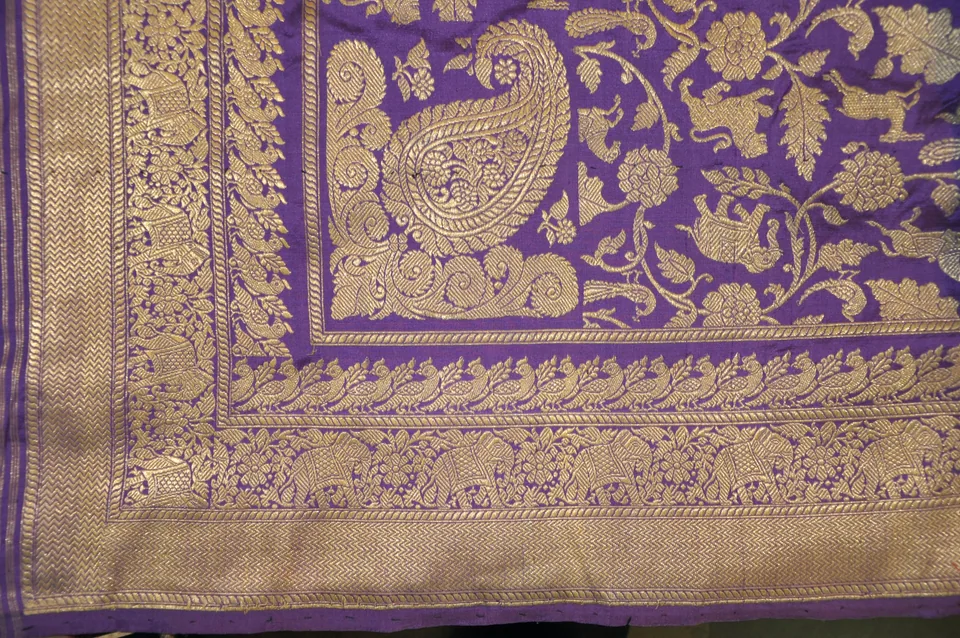
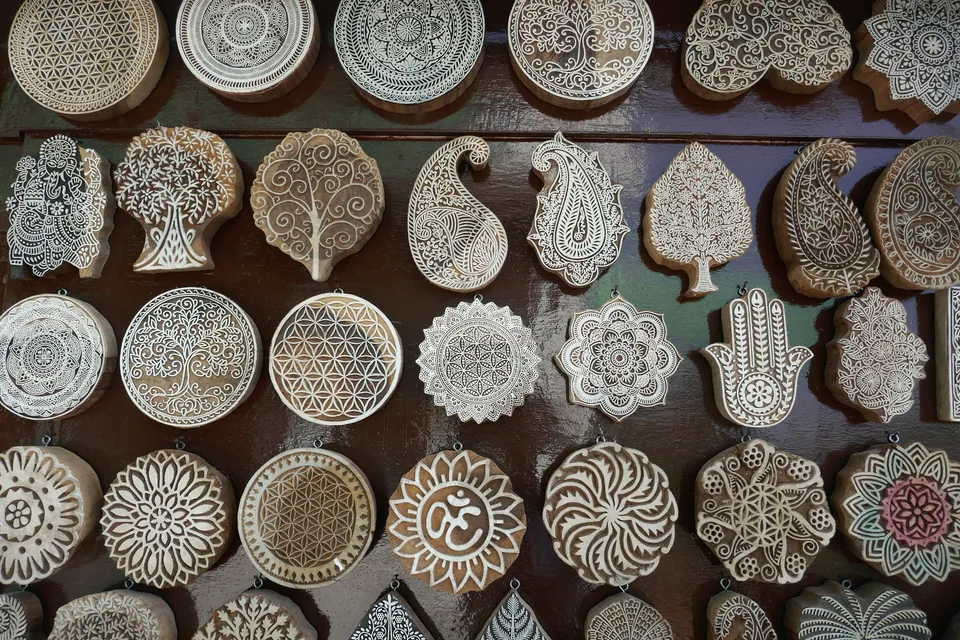
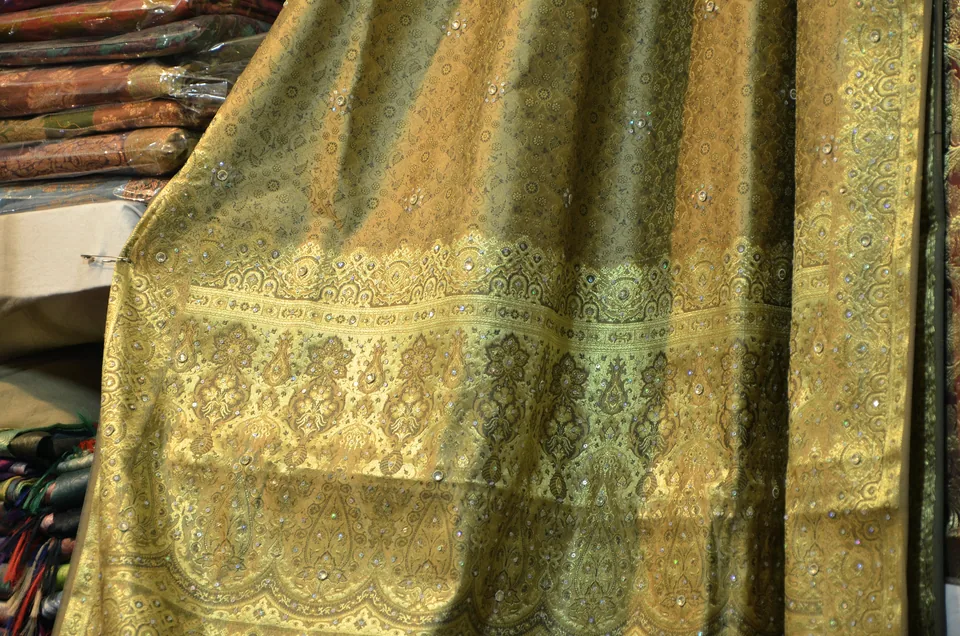
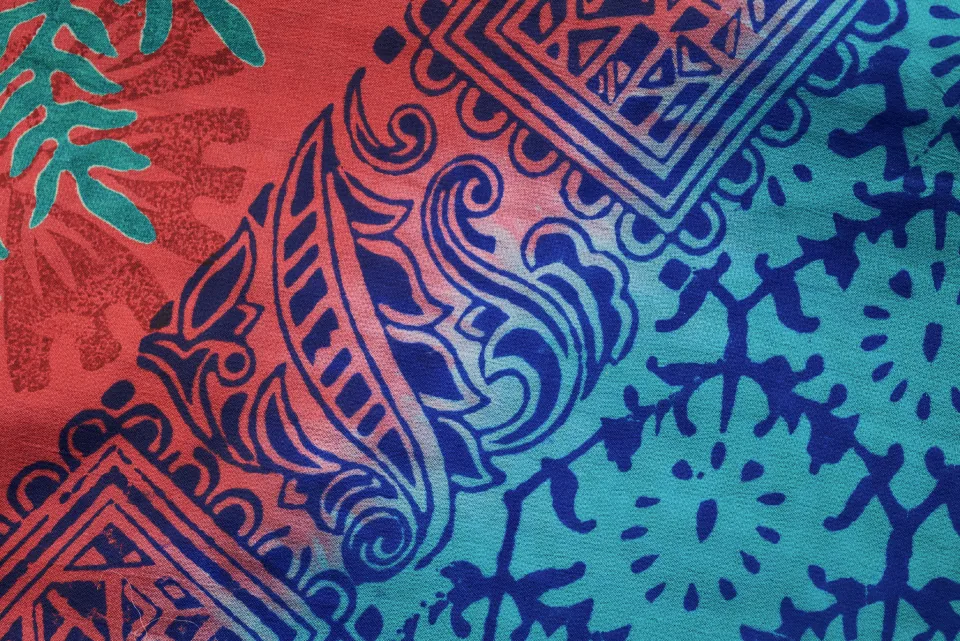
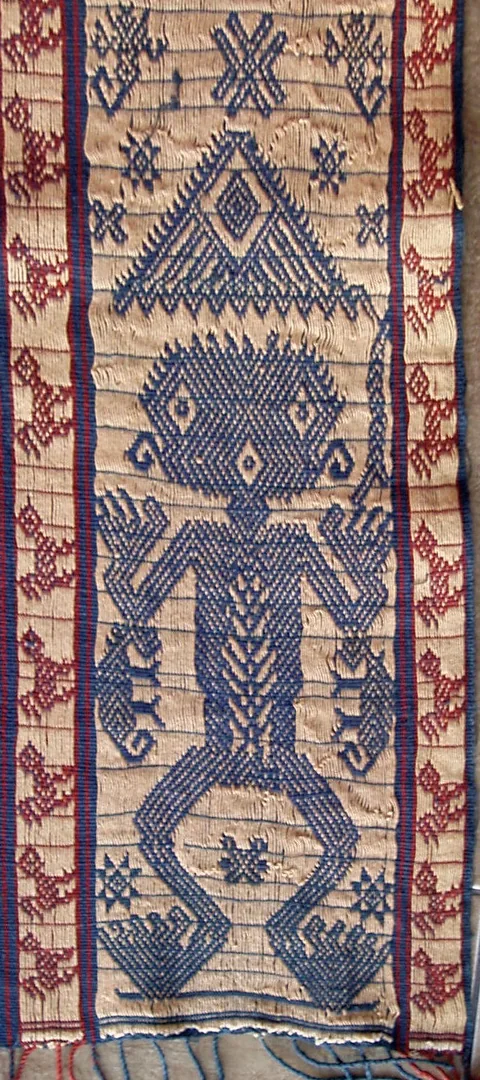
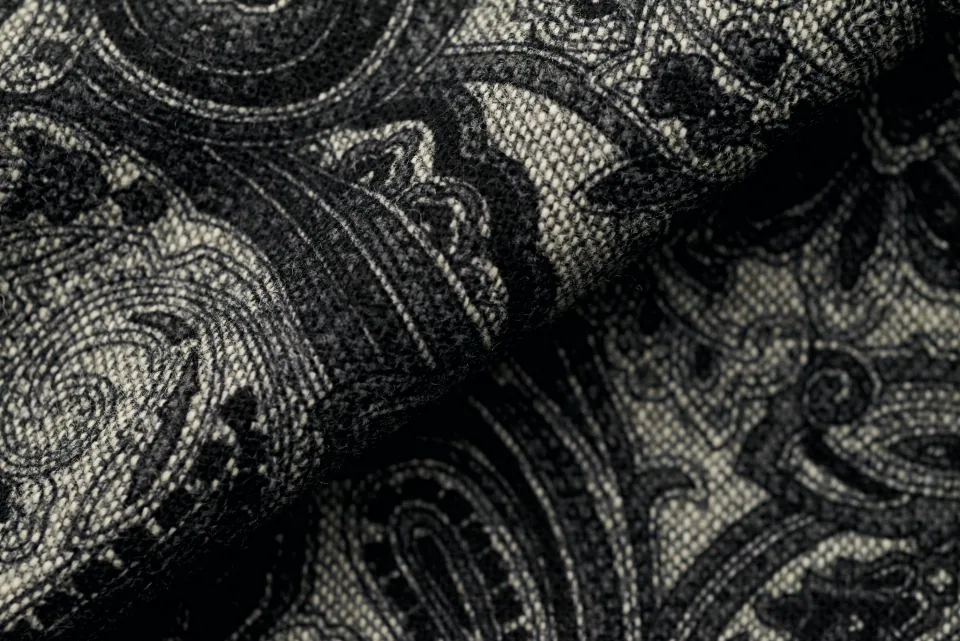
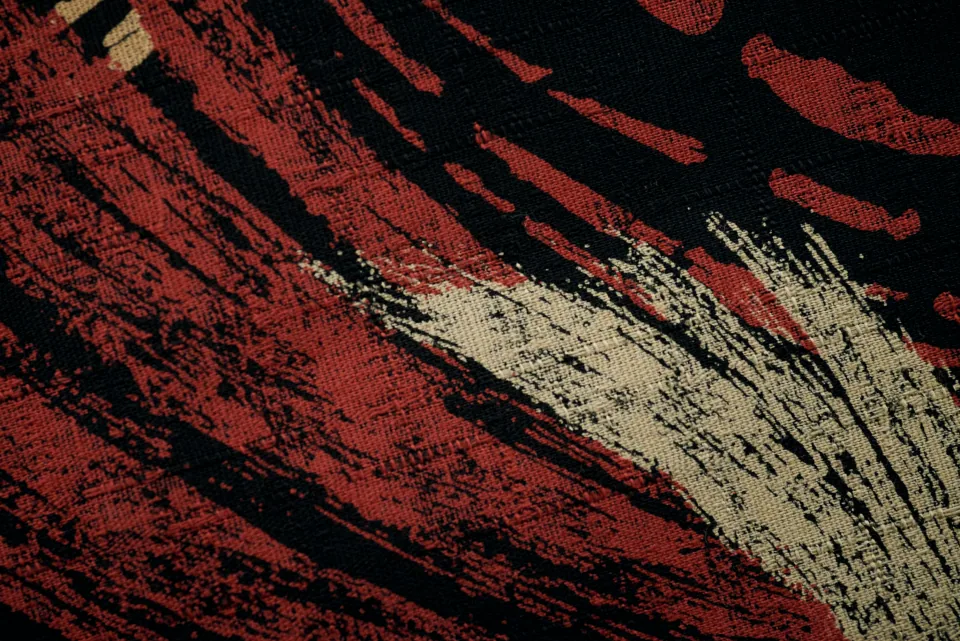
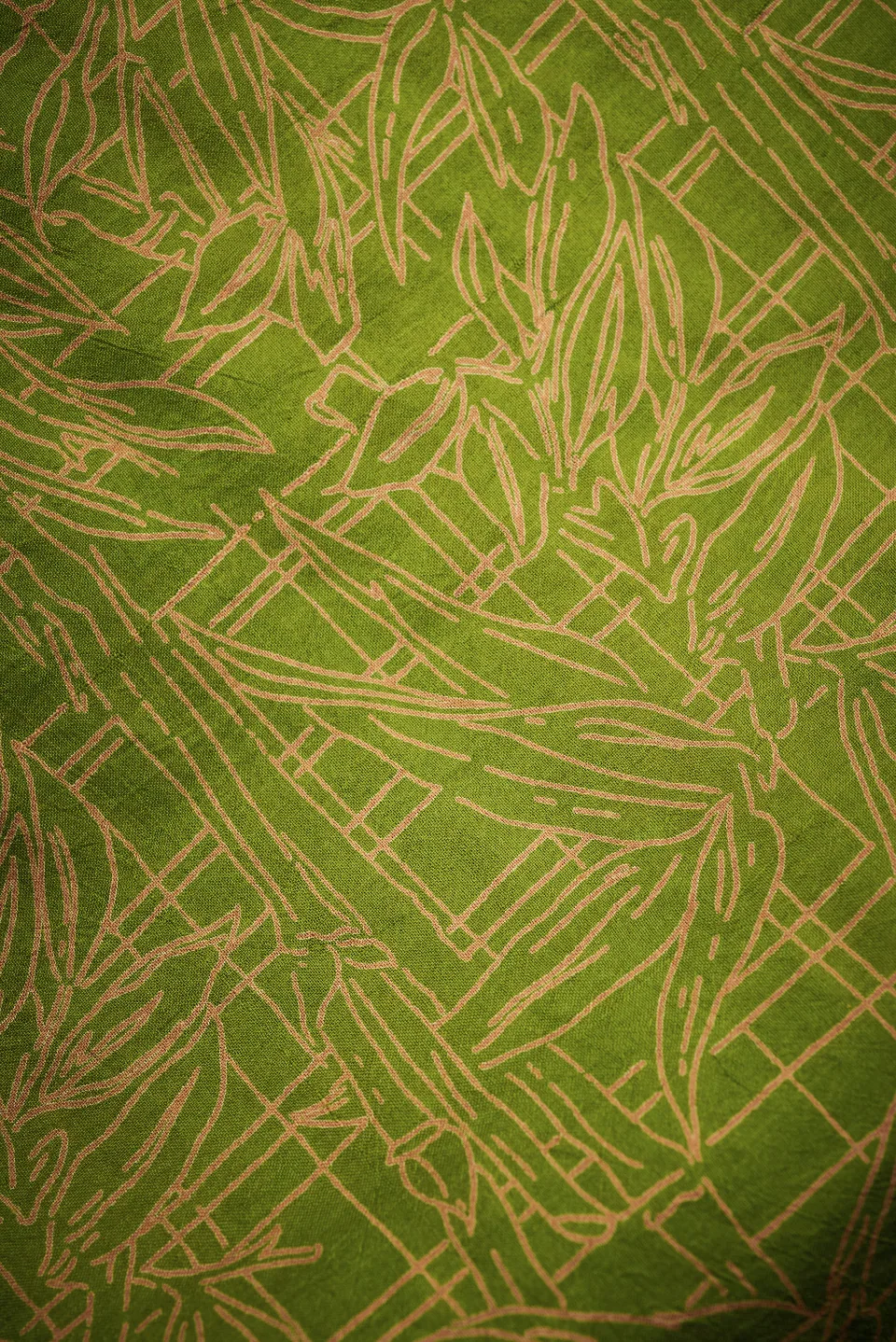
Jacquard textile photographed close, showing the woven motif in raking light (conceptual image) Conceptual Image
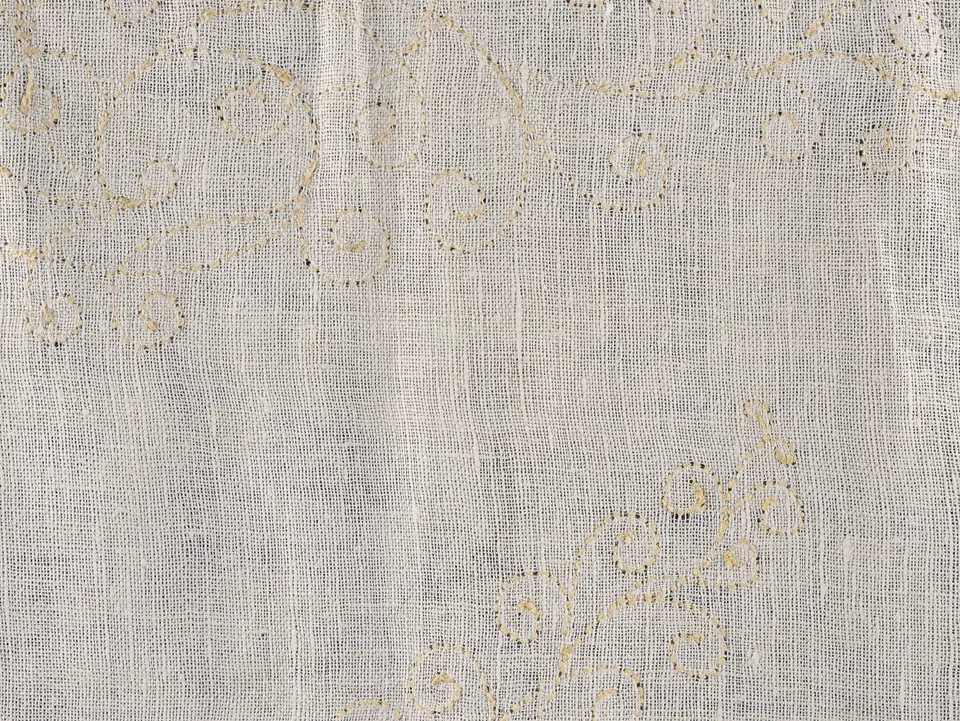
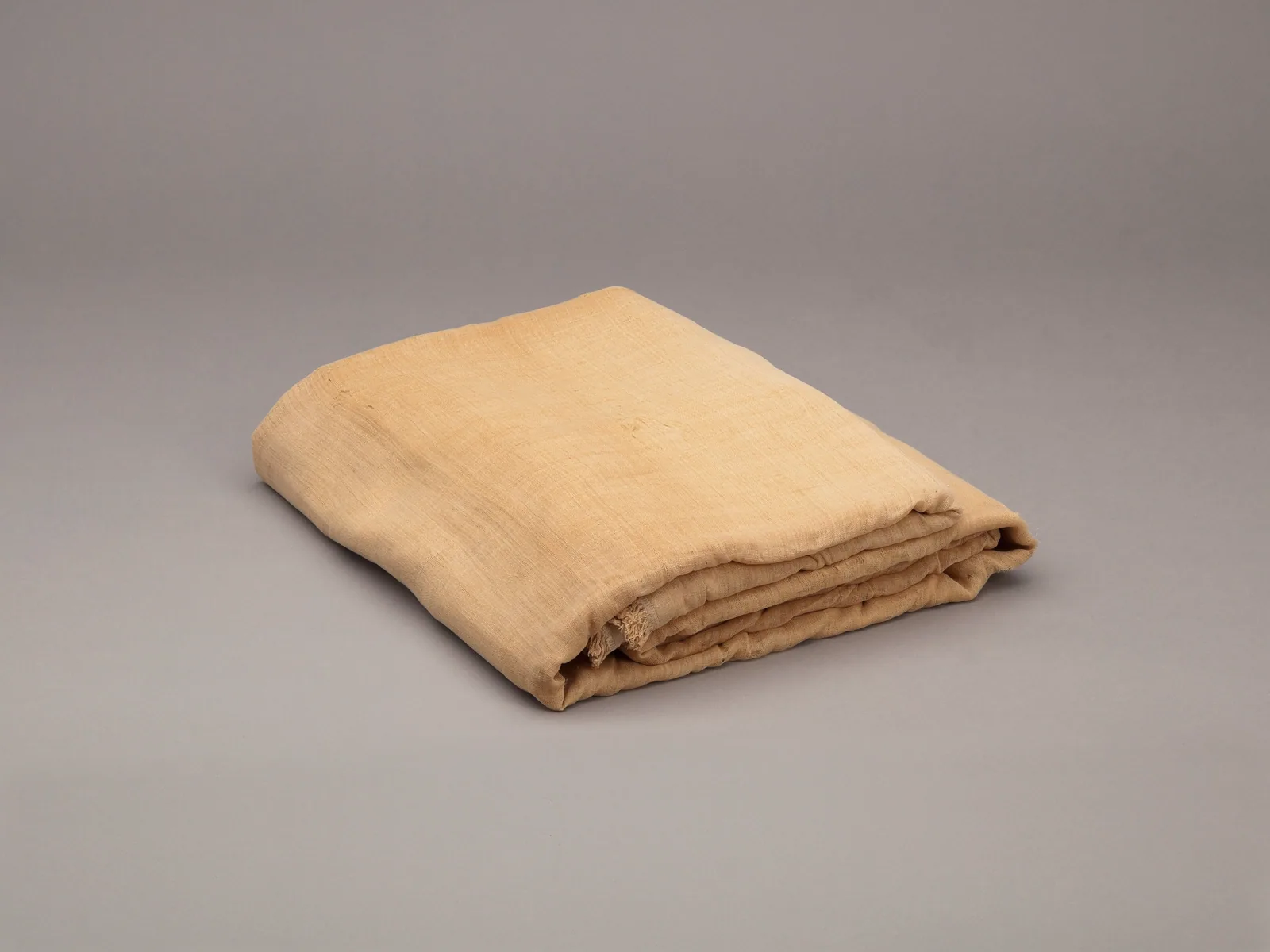
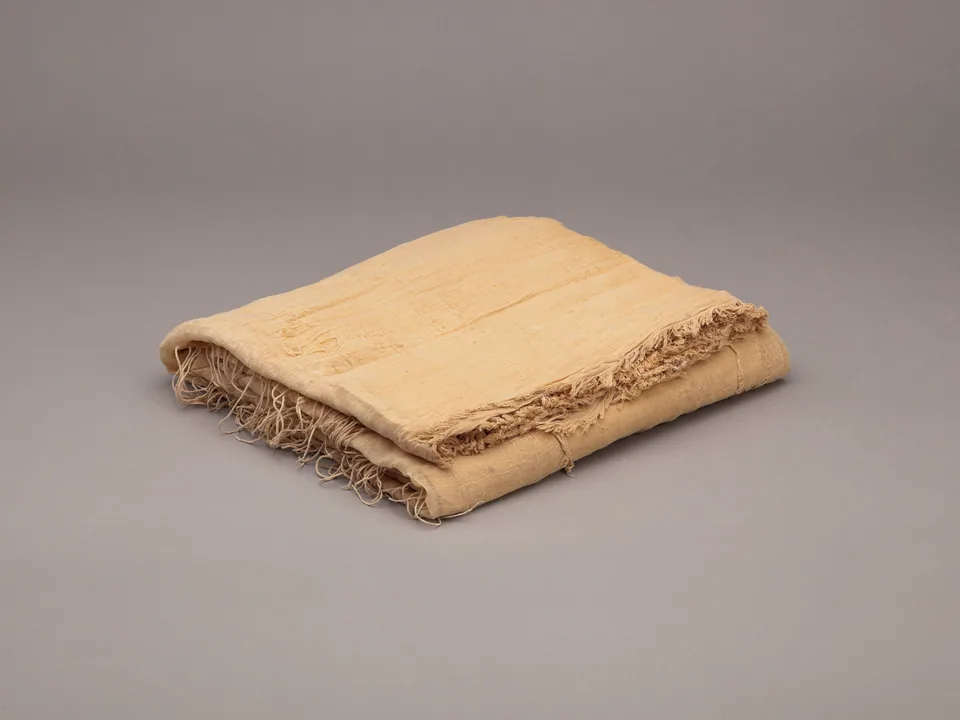
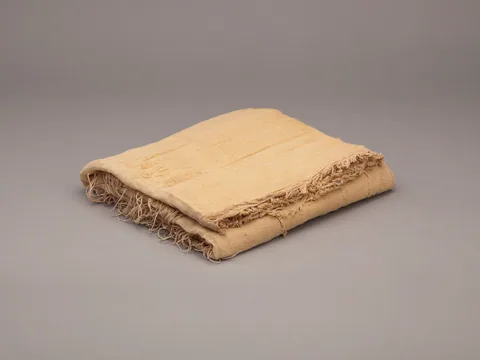
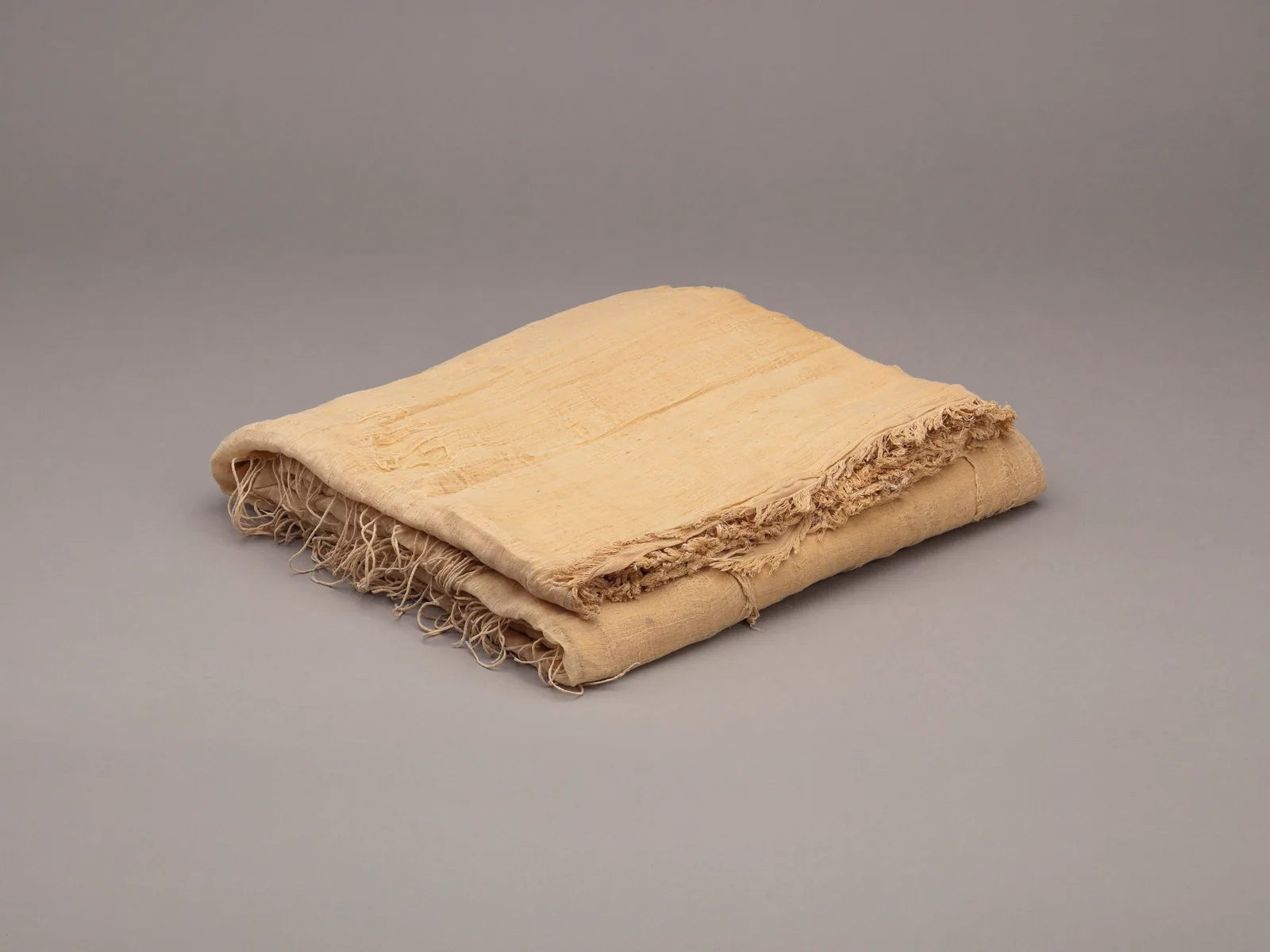
Folded ivory linen showing the fine weave of the cloth (conceptual image) Conceptual Image

Detail: woven motif · folded linen — conceptual imagery

Texture First

The grain you can almost feel.

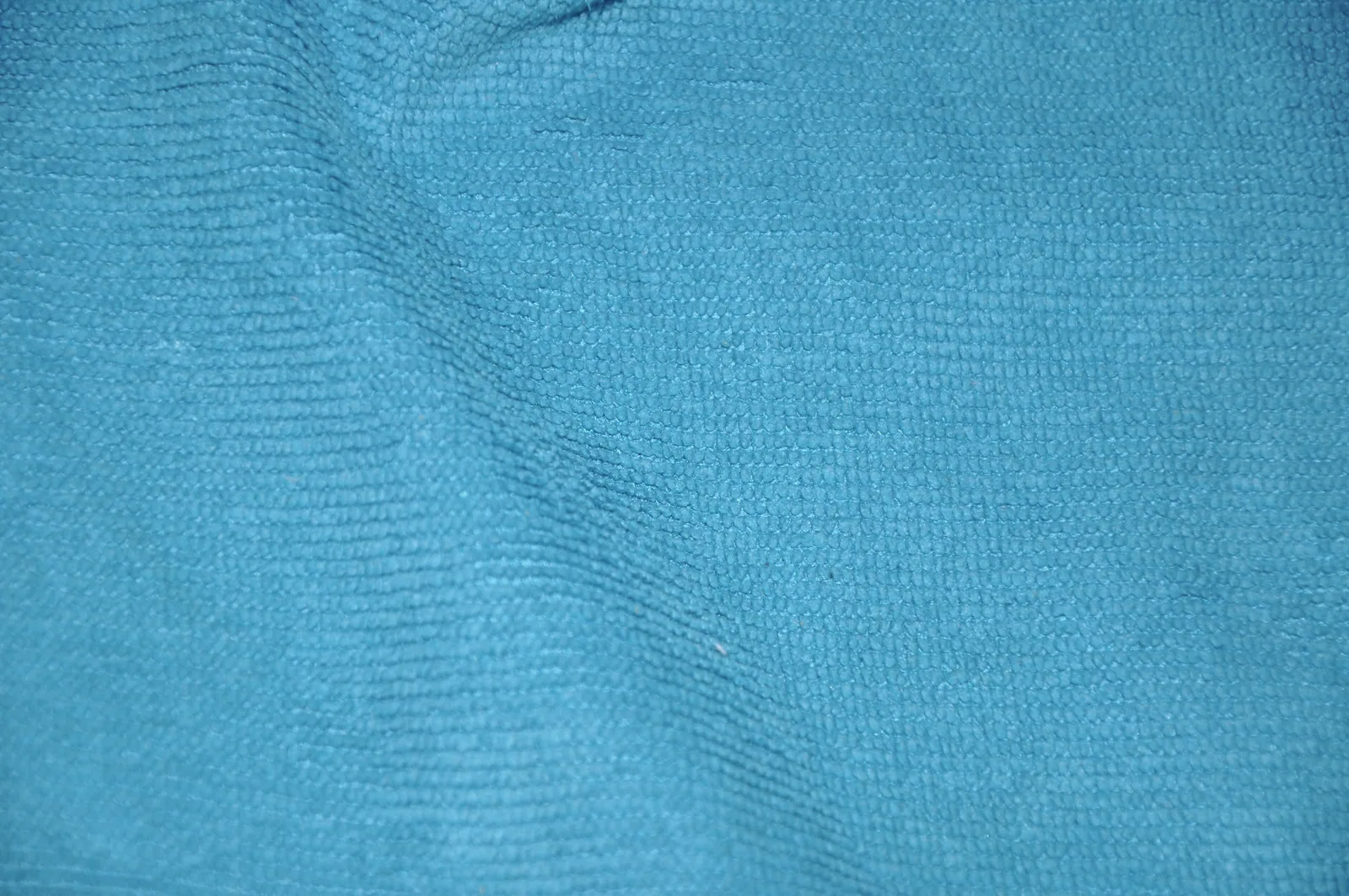
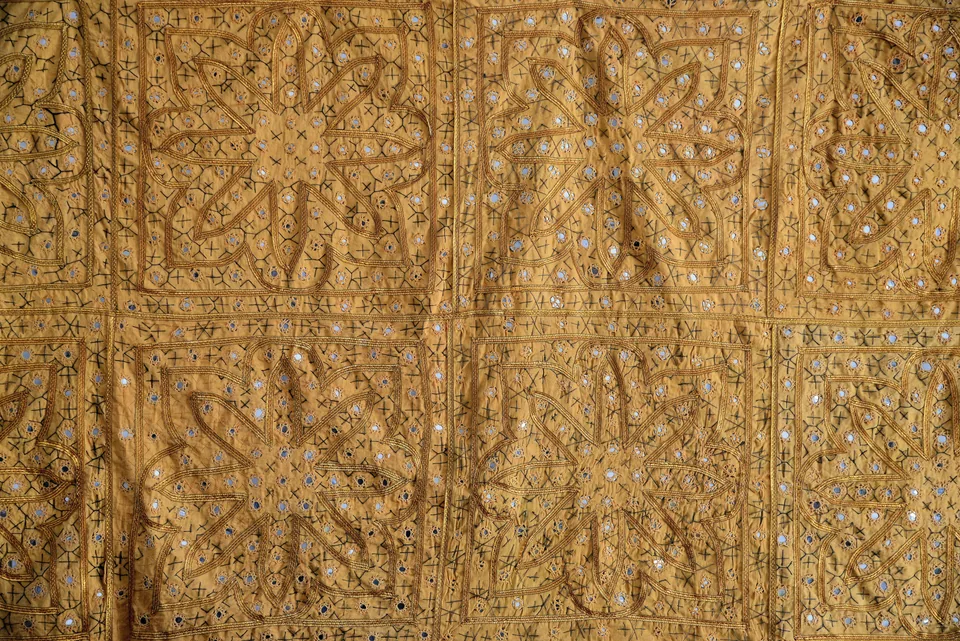
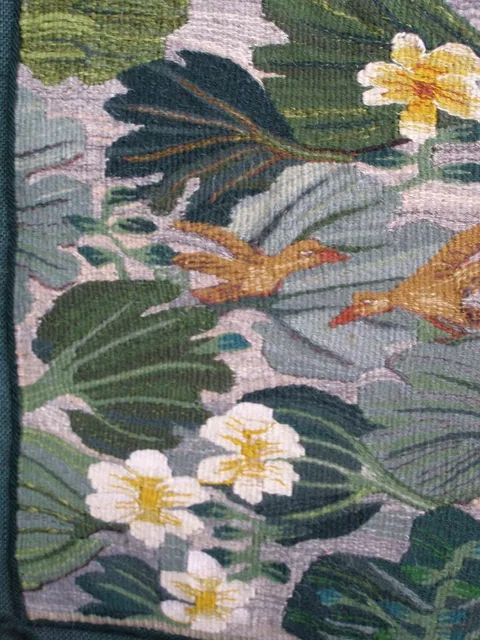
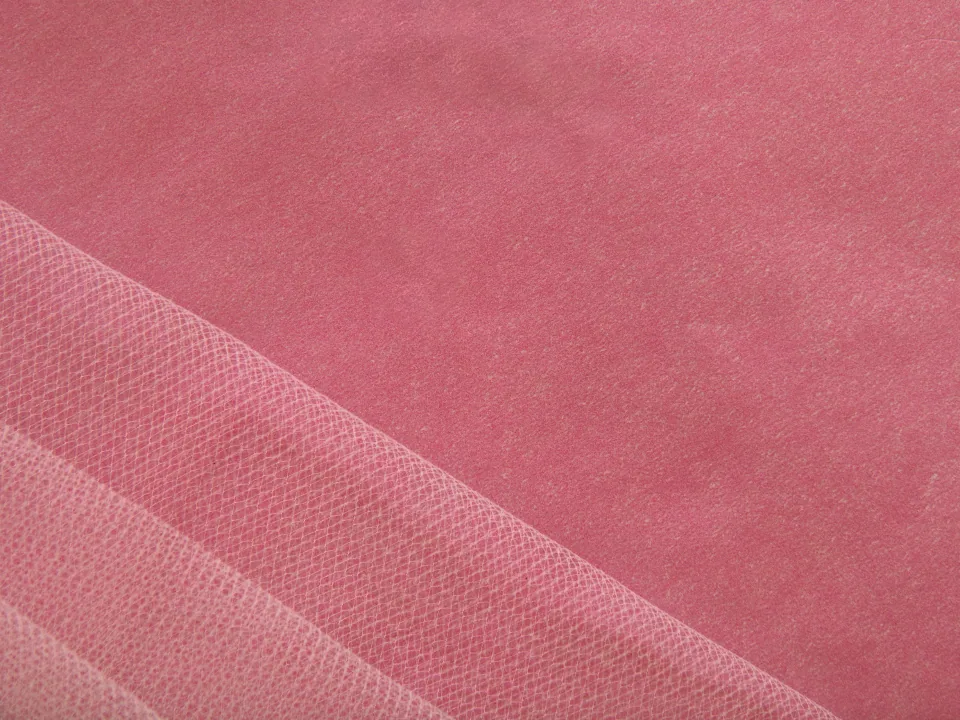
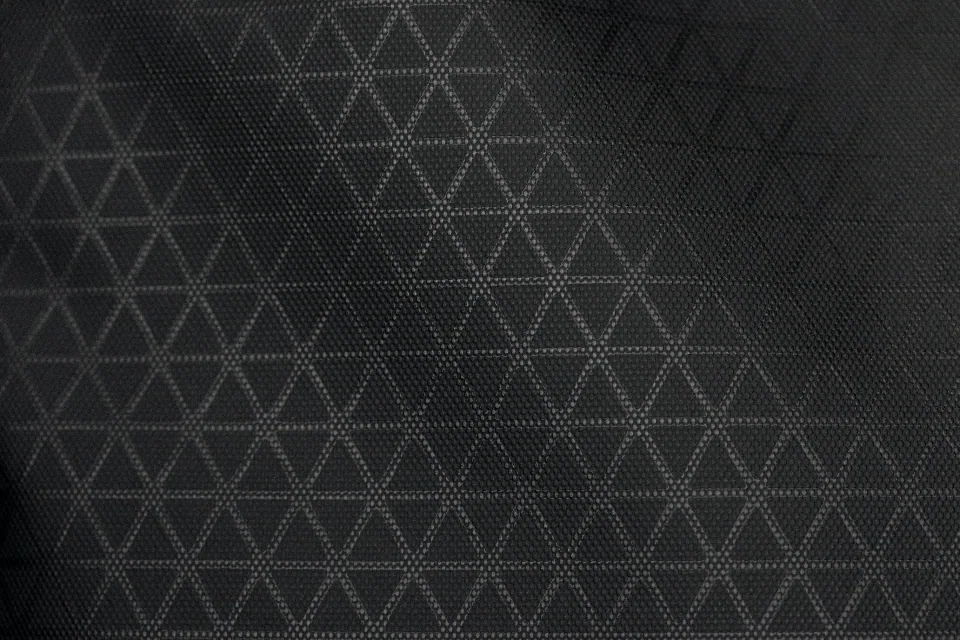
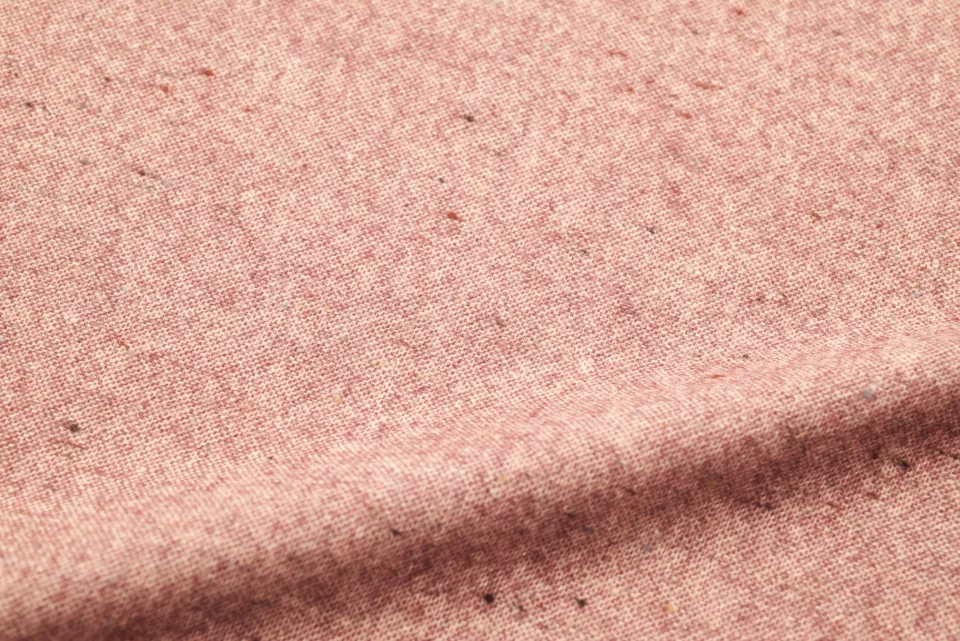
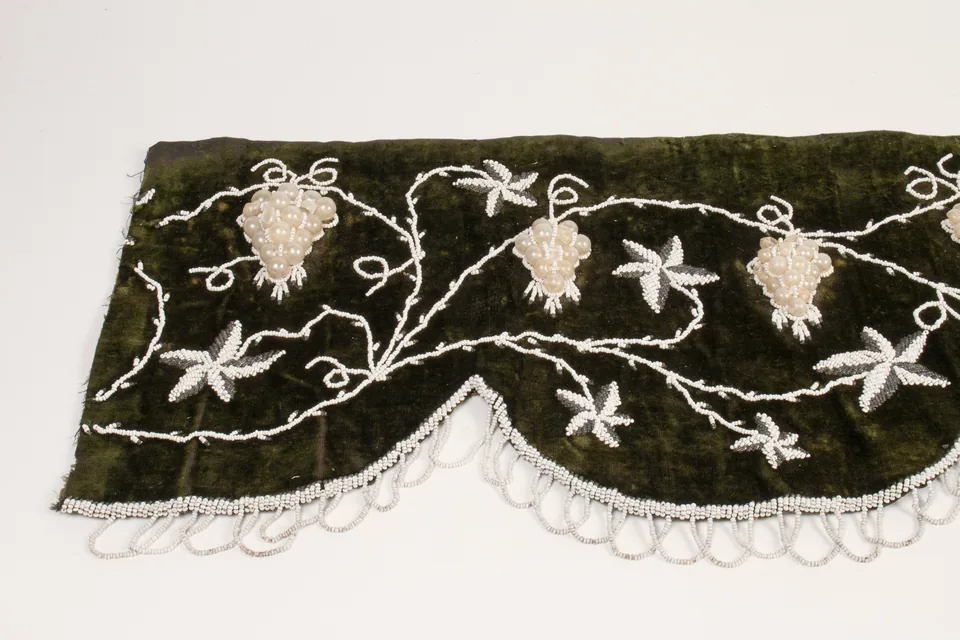
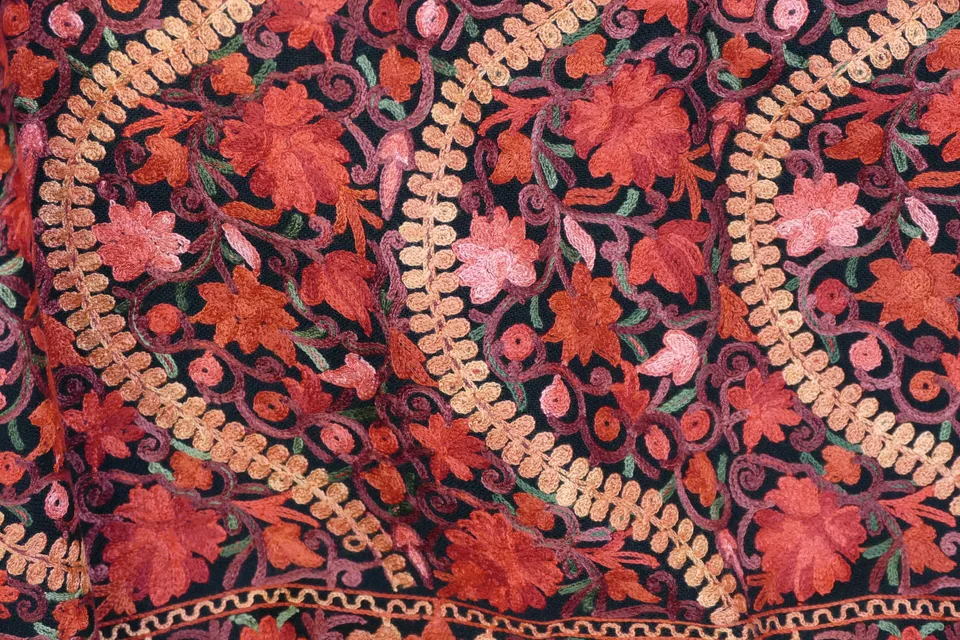
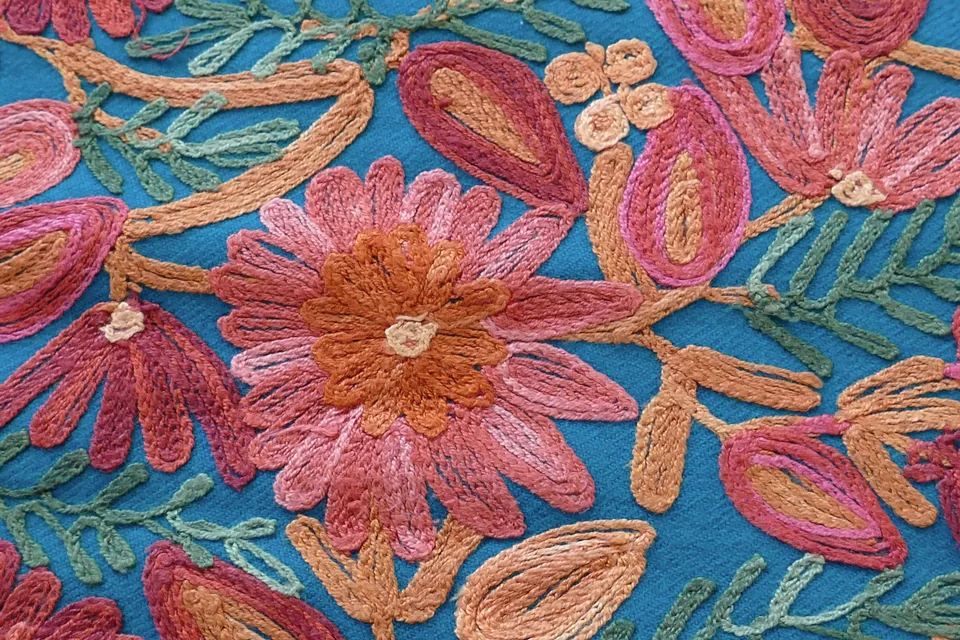
Macro views of weave, slub, jacquard and brushed surfaces — the details a screen flattens and a sample never does.

See the full gallery

Scale & Physicality

You can almost feel this.

A fabric photographed flat tells you its colour. A fabric in a hand tells you its weight. These images exist to communicate scale — and to be honest about the difference between them.

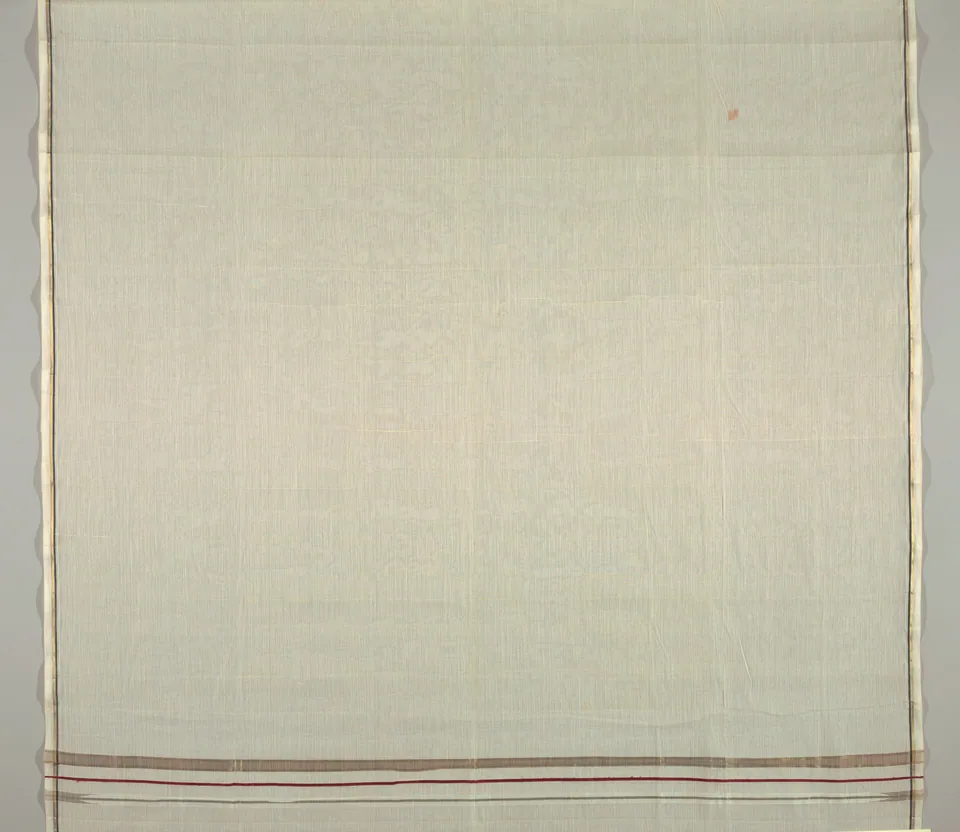
Which is exactly why a physical sample remains the only reliable way to buy cloth you have only seen online.

Request a Sample
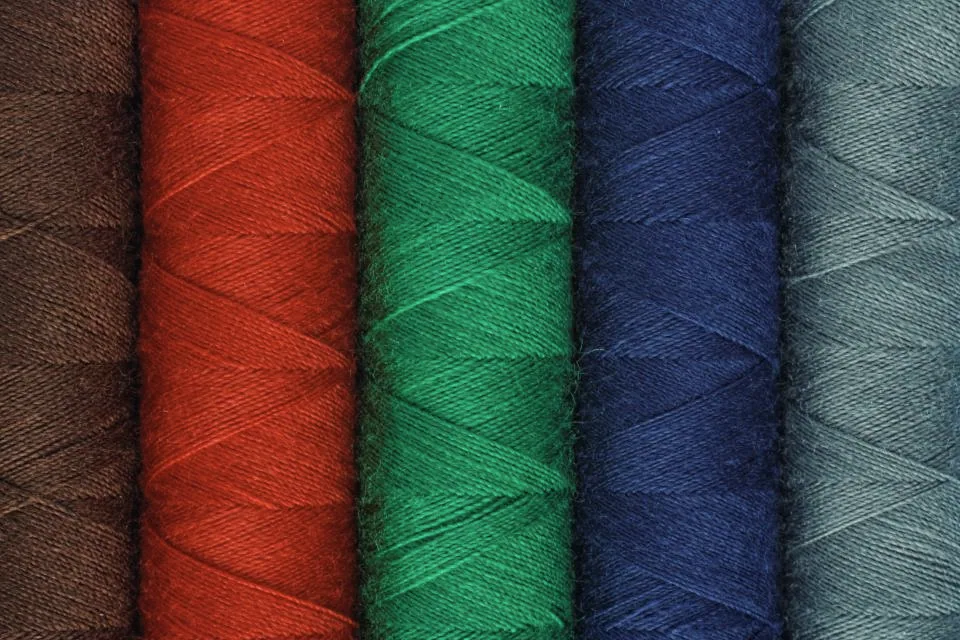
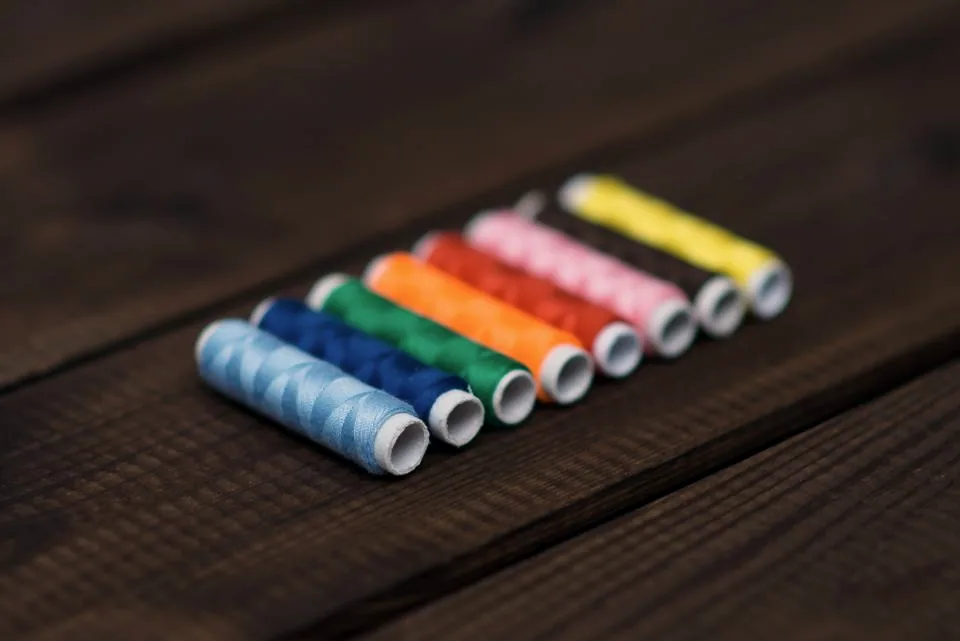
Stacks of sewing thread photographed closely (conceptual image) Conceptual Image
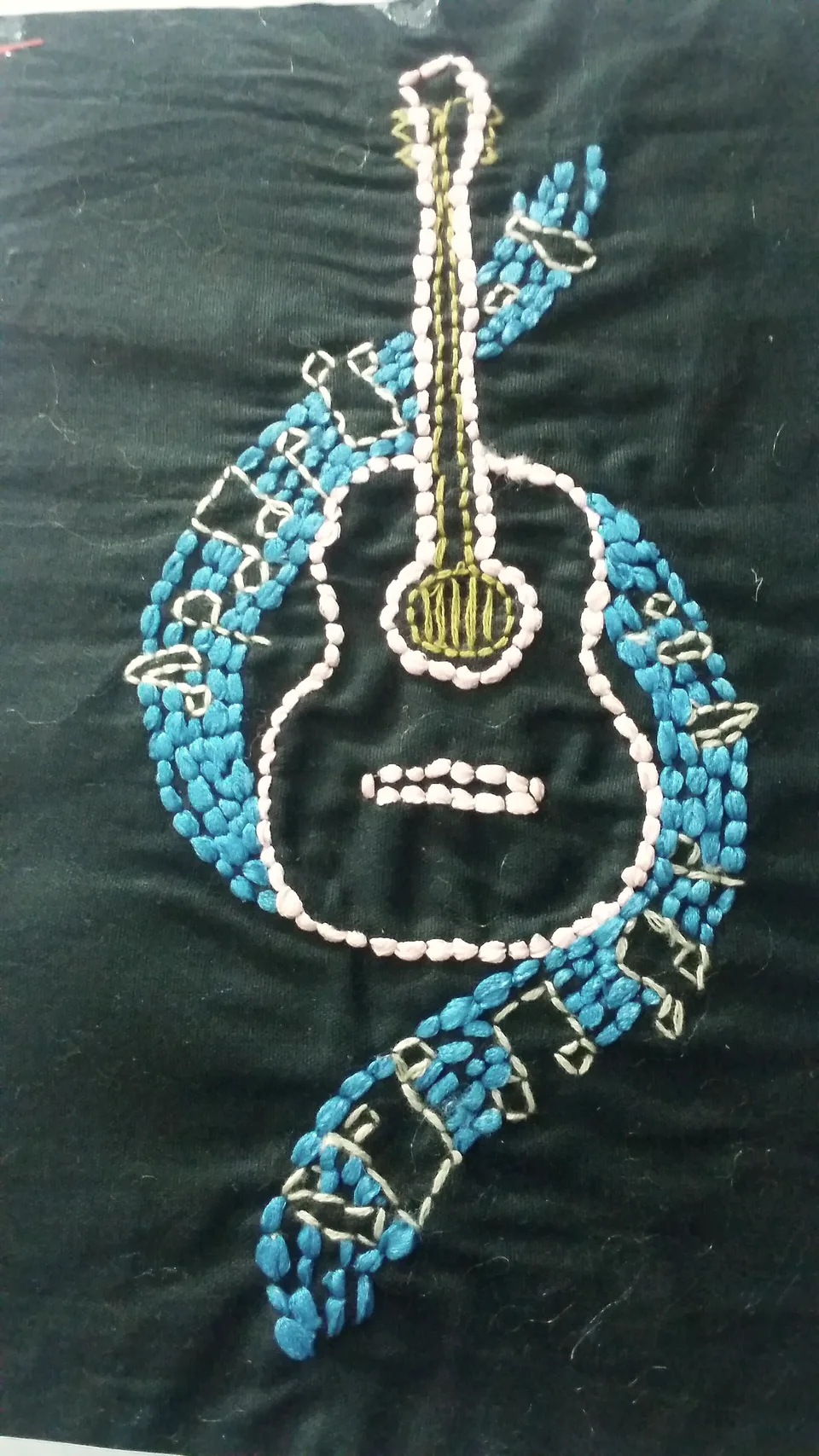
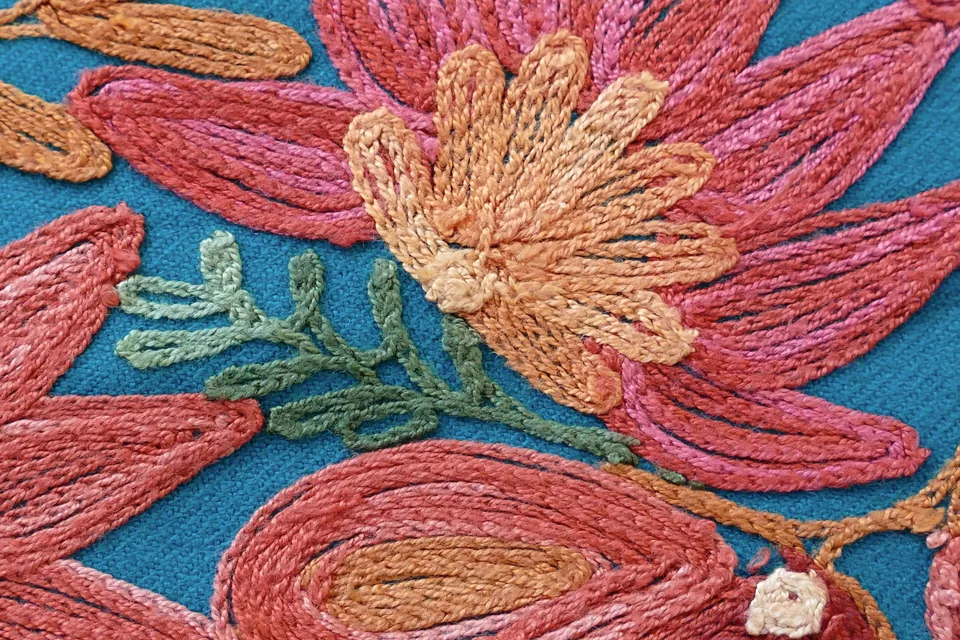
Hand stitching embroidery close-up (conceptual image) Conceptual Image
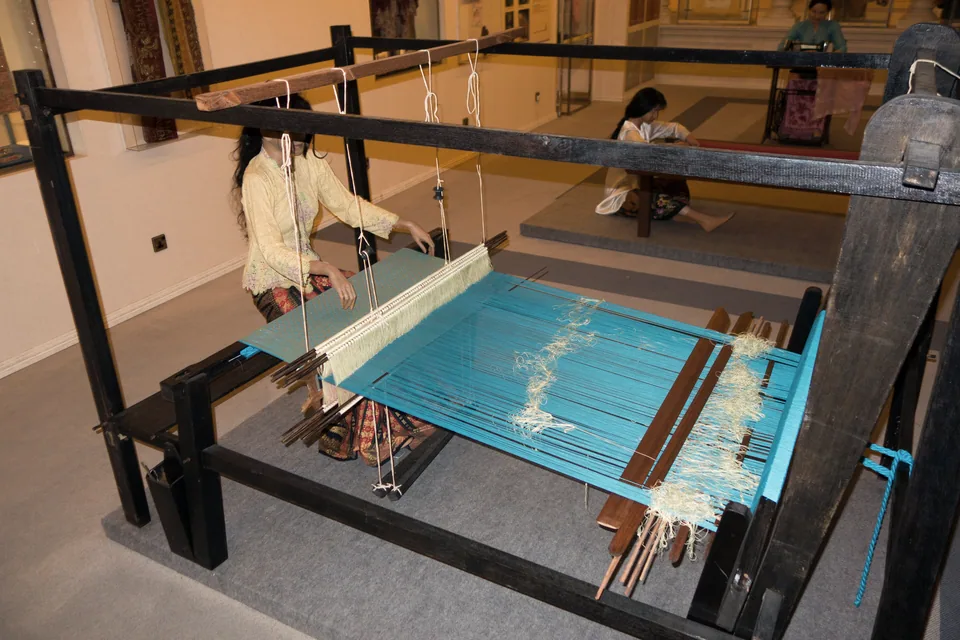
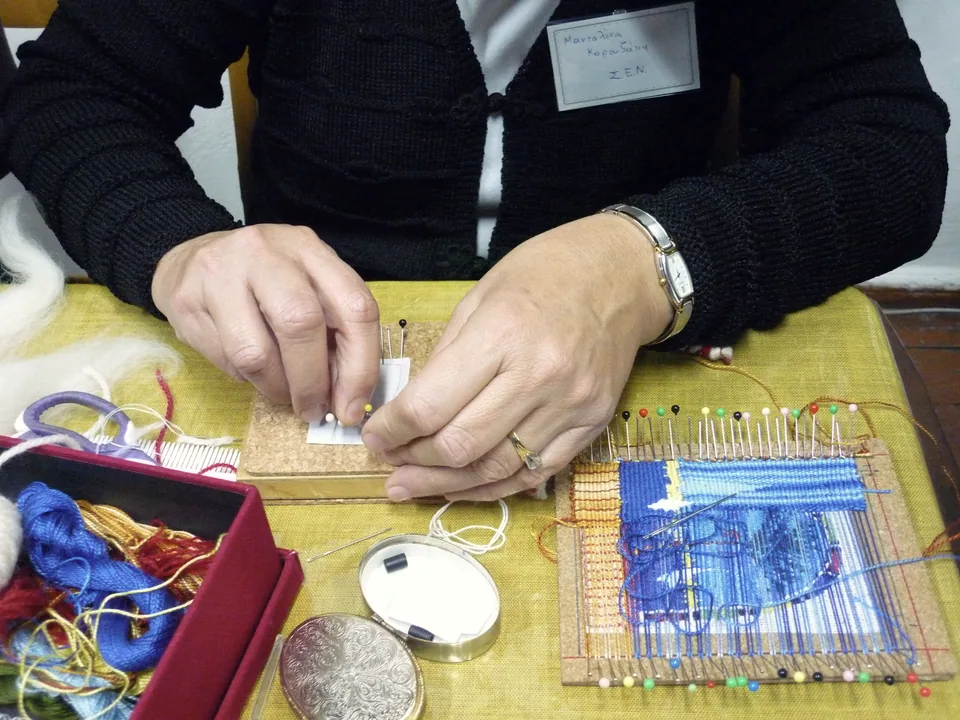
Weaving in progress with a pin and threads (conceptual image) Conceptual Image
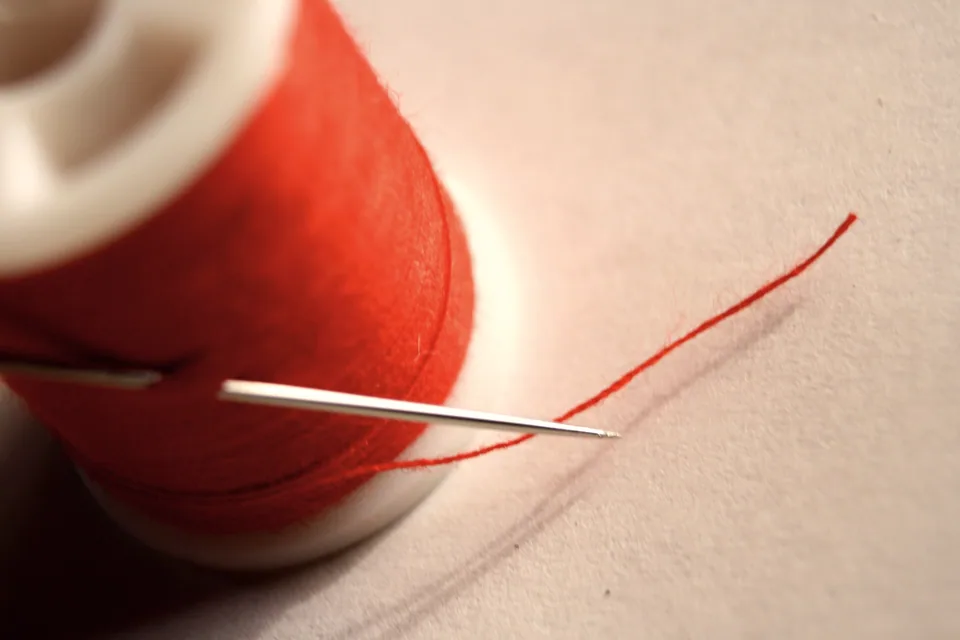
A needle and a length of red thread (conceptual image) Conceptual Image

Craftsmanship

Where Detail Becomes Beauty.

Textile work is mostly invisible. It is judged on the parts nobody consciously notices — a straight edge, an even stitch, a reverse seen as closely as the face. This is a fictional brand story about appreciating that kind of work.

Thread, spooled and sorted (conceptual image) Conceptual Image

01

The Thread Comes First

Before there is a cloth, there is a decision about yarn — how thick, how twisted, how much tension it can take. That single decision sets the ceiling on everything afterwards. Thread chosen well needs less correction later, and cloth made from good thread ages into character rather than into wear.

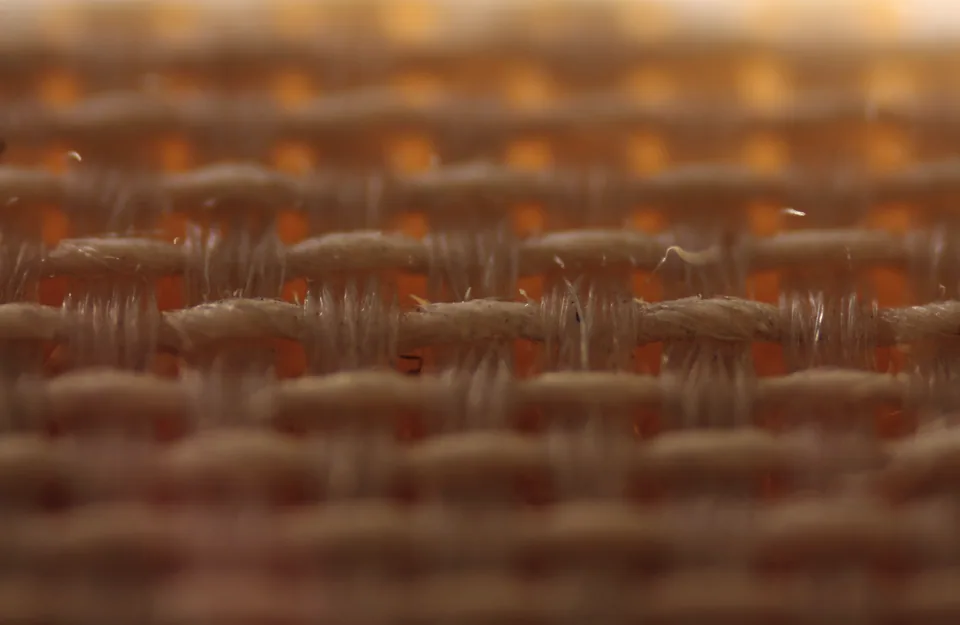
Warp and weft, seen from the back (conceptual image) Conceptual Image

02

The Weave Is the Design

A woven fabric carries its pattern in its structure, not on top of it. That means the design holds its edge through years of washing, and the reverse of the cloth is nearly as considered as the face. It also means patterns cannot be changed once the cloth is off the loom — every repeat has to be planned before the first thread is placed.

Stitch detail, worked close (conceptual image) Conceptual Image

03

Detail Work Changes Everything

Embroidered pieces are judged by the parts nobody will consciously notice: an edge that stays straight, a stitch that disappears into the ground cloth, a reverse that can be seen as closely as the front. Done in tonal thread rather than contrast floss, there is nowhere for an uneven stitch to hide — which is exactly why it is worth doing.

Checking the cloth before it leaves (conceptual image) Conceptual Image

04

The Final Inspection

Last is the slowest part. Every length is checked under directional light, because a fault that is invisible in flat light can be plainly visible when the light rakes across the surface. Slubs, small pulls and uneven tension are all things you feel before you see — but only if somebody looks for them.

The Palette

Ten ways to hold light.

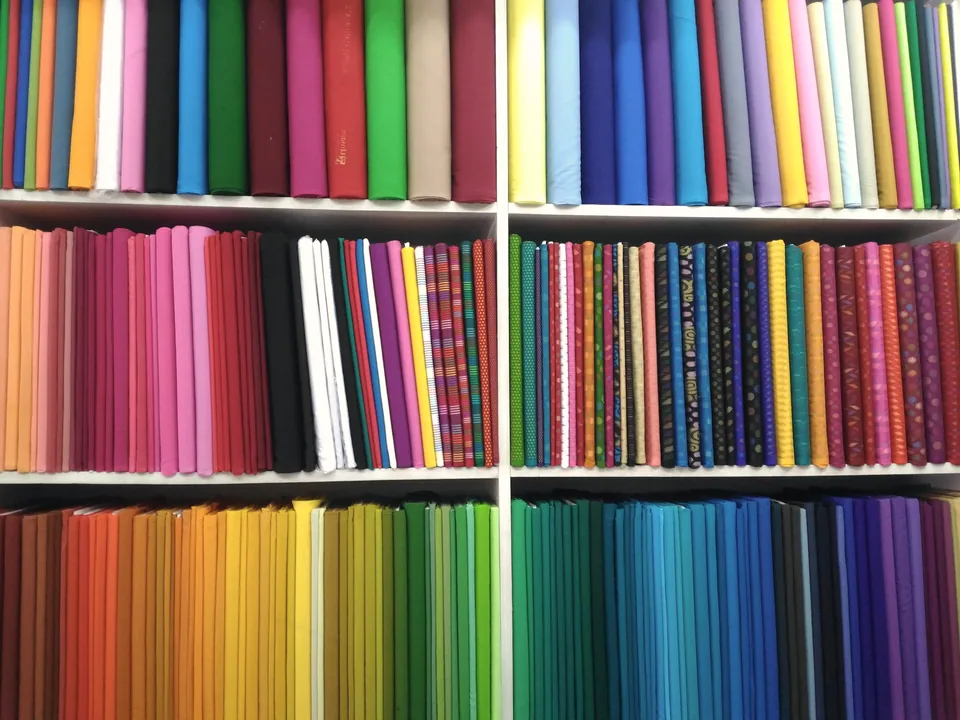
Select a colour to see the demonstration fabrics photographed in that tone. Note that colour shifts with lighting — a sample is always the final word.

Ivory

#EDE4D6

Warm, soft white. Reads yellow under tungsten — always check a sample in daylight.

View Ivory fabrics

Drape & Behaviour

How It Falls.

Textiles are described by feel, but understood by behaviour. This is how the demonstration fabrics behave when nothing is holding them up.

Fluid drape behaviour illustrated (conceptual image)

Fluid

Falls in long, unhurried folds. Almost no memory — a crease from this fabric will not stay.

Soft drape behaviour illustrated (conceptual image)

Soft

Relaxed folds with a little body. Softens with wear and repeated washing.

Structured drape behaviour illustrated (conceptual image)

Structured

Holds a pleat, a cuff, a fold. Stands slightly away from the body and keeps its edges.

Lightweight drape behaviour illustrated (conceptual image)

Lightweight

Almost weightless. Catches air rather than gravity — this is a layering cloth, not a shaping cloth.

Heavy drape behaviour illustrated (conceptual image)

Heavy

Falls straight and slow, and mostly stays where it is put. Excellent for cushions and drapery.

Textured drape behaviour illustrated (conceptual image)

Textured

Slubs, ribs and raised embroidery break up the fold, so shadows fall in fragments.

Folded natural linen showing medium weave (conceptual image)
Sample Before you commit

Request a Fabric Sample

Not sure about the texture or colour?

Request a sample before committing to your full order. It is the only honest way to judge hand-feel, weight and colour — and it is how most of our demonstration customers would begin.

  • Ten colourways, each with a full specification sheet
  • Weighted swatch card, sized to sit in the palm
  • No obligation to order afterwards

Demonstration form — nothing is submitted and no data is stored.

Why Zaharat Kashmira

What you can expect from the house.

01

Carefully Selected Textiles

Every cloth in the collection is chosen for what it does — how it feels, how it hangs, how it wears — rather than for what it is called.

02

Detailed Fabric Information

Material, width, weight, texture, finish, stretch, transparency, drape, season and care, listed on every fabric page so you can choose without guessing.

03

Sample Requests

Order a swatch before committing to a full length. Texture and colour cannot be judged reliably from a screen, and a sample is the honest way to decide.

04

Bespoke Assistance

Working with a designer, boutique, event studio or tailor? Enquiries are handled as conversations about your specific requirement, not as a transaction.

05

Bulk & Designer Enquiries

Larger quantities, repeat colours and custom lengths are discussed directly, with guidance on what will and will not work for the end use.

06

Attentive Customer Service

Questions answered by people who work with cloth daily, including the honest answer when a fabric is wrong for what you have described.

Feature descriptions are illustrative demonstration content, not a claim about a real business. No customer statistics are published on this site.

In Their Words

What a sample is for.

“Beautiful texture and even better in person.”
Demo Customer Fictional sample review
“I finally understood what I was buying because the fabric details were explained so clearly.”
Demo Customer Fictional sample review
“The hand-feel descriptions are accurate. The cloth behaved exactly as the page described it.”
Demo Customer Fictional sample review

All reviews above are fictional and written for this demonstration. They are not the words of real customers.

Silk falling in soft folds, photographed in soft light (conceptual image)

Zaharat Kashmira

Made For Your Vision.

Designers, boutiques, tailors, event studios and interior projects — tell us what you are making and we will tell you honestly what will work.

Fictional demo WhatsApp number +00 00000 00000. Opens a chat with a placeholder number; this is a demonstration and will not reach a real business.